Nigeria: Nigeria warns citizens in South Africa to avoid confrontation as anti-foreigner protests begin

By Zuleihat Owuiye, Mamos Nigeria
The Nigerian Consulate General in Johannesburg has urged Nigerians in South Africa to avoid confrontation and stay vigilant as nationwide anti-foreigner protests are set to begin today, May 4, 2026.
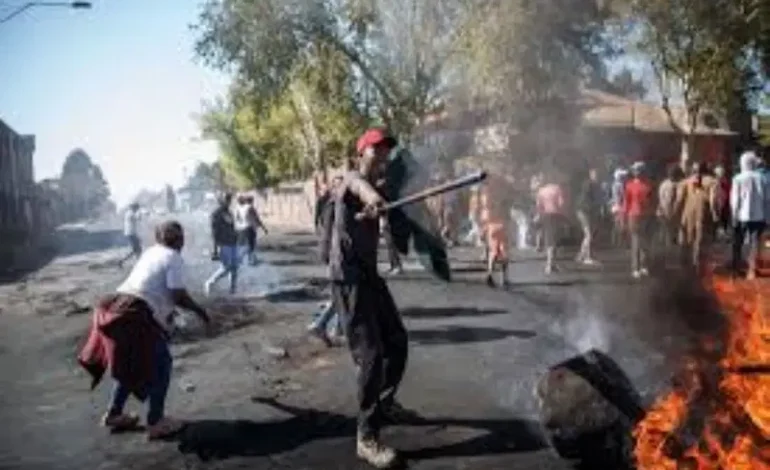
In a public advisory issued yesterday, Consul General Ambassador Ninikanwa Okey-Uche said the consulate had received credible information that several anti-foreigner groups are mobilizing for a coordinated “shutdown” across all nine provinces. The groups are demanding that the South African government take action against foreigners, claiming they benefit more from the country than citizens. Organizers have called for all foreigners, documented and undocumented, to leave the country immediately.
While the demonstrations are expected to be nationwide, specific gathering points have not been confirmed in most cities. In Johannesburg, protesters plan to assemble at Mary Fitzgerald Square in Newtown. The march is scheduled for Monday, May 4, from 10 a.m. to 11 a.m., with a memorandum expected to be submitted to authorities at noon.
The consulate warned that major disruptions are likely in central business districts across Johannesburg, Pretoria, Cape Town, and Durban. Nigerian business owners have been advised to consider temporarily closing their shops, as foreign-owned businesses are often targeted during xenophobic unrest.
“All Nigerian nationals are strongly advised to avoid engaging demonstrators or confronting them,” the advisory stated. Citizens were urged to monitor local news, follow instructions from law enforcement, and adopt necessary safety precautions.
The consulate confirmed it has notified South African law enforcement agencies about the planned protests and the need to protect foreign nationals and their property. It also reaffirmed its commitment to providing consular services and safeguarding the interests of Nigerians throughout the period of unrest.
The warning comes amid growing xenophobic tensions in South Africa. At least 130 Nigerians have already registered for voluntary evacuation flights being arranged by the Federal Government. Minister of Foreign Affairs Bianca Odumegwu-Ojukwu said the evacuation plan follows President Bola Tinubu’s directive to prioritize the safety of Nigerians abroad.
Previous protests held between April 27 and 29 were largely peaceful but required heavy police deployment in major cities. Although those demonstrations did not result in widespread violence, authorities confirmed isolated incidents, including the deaths of two Nigerians linked to encounters with security personnel.
Officials expect another round of protests between May 4 and 8. Diplomatic engagements between Nigerian and South African authorities are ongoing to prevent escalation and ensure the safety of foreign nationals.
South Africa has a long history of xenophobic violence, often flaring during periods of economic strain and high unemployment. Foreign nationals, particularly from other African countries, have been accused by some groups of taking jobs and straining public services. Attacks in 2008, 2015, and 2019 left dozens dead and displaced thousands.
The Nigerian government has repeatedly condemned such violence and called for stronger protections for its citizens. In 2019, Nigeria repatriated over 600 citizens following a wave of attacks in Gauteng province. The African Union has also urged member states to address the root causes of xenophobia, including inequality and misinformation.
confrontation with protesters could escalate quickly and put lives at risk. It advised citizens to prioritize de-escalation and personal safety above all else.
Minister Odumegwu-Ojukwu noted that Abuja is in “constant communication” with Pretoria to ensure Nigerian lives and property are protected. She added that the government will not hesitate to evacuate citizens if the protests turn violent.
South African police have pledged increased patrols around areas with high concentrations of foreign nationals. However, past incidents have raised concerns about the speed and effectiveness of law enforcement responses during xenophobic attacks.
For now, the message from Nigerian officials is clear: keep a low profile, avoid hotspots, and stay in contact with the consulate. With tensions high and protests scheduled throughout the week, caution remains the best defense.