Nigeria: UK evacuates 20 nationals from hantavirus-hit cruise ship

By Zuleihat Owuiye, Mamos Nigeria
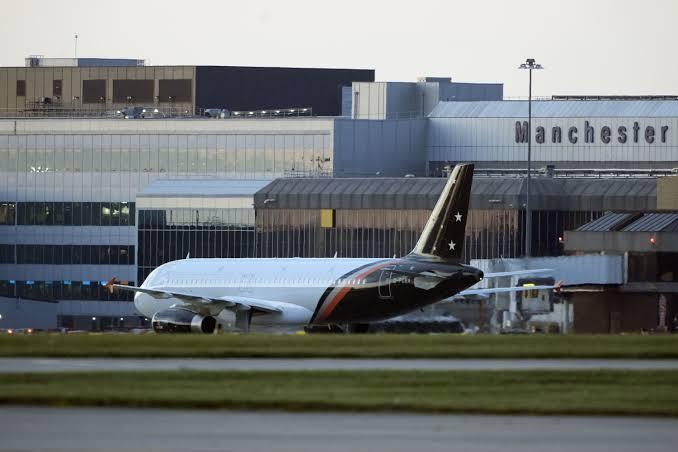
A repatriation flight carrying 20 British nationals from a cruise ship struck by a deadly hantavirus outbreak landed safely at Manchester Airport on Sunday, May 10, 2026. The passengers had been stranded aboard the MV Hondius for several weeks after cases of the rare viral disease were confirmed among crew and travelers.
The flight originated in Tenerife, Spain, where the MV Hondius has been docked since the outbreak was declared. Upon arrival in Manchester, the group was transported by coach to Arrowe Park Hospital in Wirral, near Liverpool. Health officials confirmed that all 20 passengers will undergo comprehensive medical screening and remain in quarantine for an initial period of up to 72 hours.
According to the Spanish government, 22 British nationals were evacuated from the vessel. Of those, 20 flew on the special repatriation flight to the UK. The remaining two passengers do not reside in Britain and will travel onward to their home countries.
UK Foreign Secretary Yvette Cooper acknowledged the operation on X, stating: “Thank you to all those who worked around the clock to get passengers from MV Hondius back to the UK by special flight this evening with public health protections in place.” The repatriation was coordinated between the Foreign, Commonwealth and Development Office, UK Health Security Agency, and Spanish authorities to ensure passengers returned under strict public health protocols.
A spokesman for the National Health Service said that all arrivals would be taken for medical tests immediately upon reaching Arrowe Park Hospital.
The facility, which was used during the COVID-19 pandemic for quarantine purposes, has been reactivated to handle the current situation.
After the initial 72-hour assessment period, officials will determine arrangements for longer-term isolation. British passengers returning from the MV Hondius will be required to isolate for 45 days. During this period, they will be closely monitored, tested regularly for hantavirus, and provided with medical support if symptoms develop.
The extended isolation period reflects the incubation period and transmission risk associated with hantavirus. Unlike airborne viruses, hantavirus is typically transmitted to humans through contact with infected rodents or their urine, droppings, and saliva. However, the outbreak aboard the MV Hondius raised concerns due to the number of confirmed cases and the close quarters of a cruise ship environment.
The MV Hondius, an expedition cruise vessel, reported its first suspected hantavirus cases several weeks ago while operating in waters near the Canary Islands. The ship docked in Tenerife after multiple passengers reported flu-like symptoms consistent with viral infection.
Health authorities in Spain, working with the World Health Organization, confirmed the presence of hantavirus aboard the vessel. As of Friday, the WHO stated it had confirmed six cases out of eight suspected infections linked to the ship.
Tragically, the outbreak has resulted in three deaths: a Dutch husband and wife, and a German woman. Several other passengers and crew members have fallen ill with the disease, which can cause severe respiratory distress, fever, and kidney complications in advanced cases.
The ship’s operator halted all voyages and began evacuating passengers in coordination with national governments. Repatriation flights have been arranged for nationals of multiple countries, with the UK operation being among the first to complete.
Hantavirus is a rare but potentially fatal disease that is not typically transmitted person-to-person. Human infections usually occur when people inhale aerosolized particles from rodent droppings or urine, or when they handle contaminated materials. Outbreaks aboard ships are uncommon but can occur if rodents are present and sanitation measures fail.
The UK Health Security Agency has emphasized that the risk to the general public remains low. The 45-day isolation period for returning passengers is a precautionary measure designed to cover the maximum incubation period and ensure no undetected cases enter the community.
Passengers will be housed in a dedicated section of Arrowe Park Hospital to prevent contact with other patients. Medical staff have been trained in infection control protocols specific to hantavirus, and the facility has been equipped with negative-pressure isolation rooms
The repatriation reflects months of coordination between UK officials, Spanish authorities, and international health bodies. The Foreign Office worked with local consular staff in Tenerife to identify British nationals, verify travel documents, and arrange safe transport from the ship to the airport.
The decision to use a dedicated flight rather than commercial routes was made to minimize public exposure and maintain control over infection protocols. All passengers were screened before boarding, and medical teams accompanied the flight to monitor passengers en route.
The UK government has faced pressure to act quickly following reports of deaths and illness aboard the ship. Critics had called for faster evacuation, but officials said the delay was necessary to ensure proper testing, quarantine planning, and safe transport arrangements were in place.
For the 20 passengers now in quarantine, the next several weeks will involve regular health checks, blood tests, and symptom monitoring. Those who remain asymptomatic after 45 days will be cleared to return home and resume normal activities. Anyone who develops symptoms will receive immediate treatment at Arrowe Park or be transferred to a specialist infectious disease unit.
Mental health support is also being provided, as passengers have reported anxiety and distress following weeks aboard the affected ship and the loss of fellow travelers.
The incident has renewed calls for stricter rodent control and sanitation standards on cruise vessels, particularly those operating long voyages in regions with high rodent populations. Maritime authorities in the EU and UK are expected to review protocols in light of the outbreak.
The MV Hondius outbreak is one of the most significant hantavirus incidents linked to cruise travel in recent years. It highlights the challenges of managing infectious disease risk in confined environments where thousands of people live and work in close proximity.
Cruise lines have already begun reviewing their pest control procedures and emergency response plans. The International Maritime Organization may issue updated guidance on rodent prevention and outbreak response for passenger ships operating in international waters.
For travelers, the event serves as a reminder to check health advisories before booking cruises and to ensure travel insurance covers medical evacuation and quarantine costs.
The safe arrival of 20 UK nationals in Manchester marks a critical step in managing the MV Hondius hantavirus outbreak. While the loss of life aboard the ship is a tragedy, the coordinated response by UK and Spanish authorities has prevented further spread and ensured affected citizens receive proper care.
The coming weeks will be crucial as health officials monitor the quarantined passengers for signs of infection. If no new cases emerge, the operation will be regarded as a successful example of international cooperation in public health emergency response.