Nigeria: Taylor Swift silences soundtrack again

By Zuleihat Owuiye, Nigeria
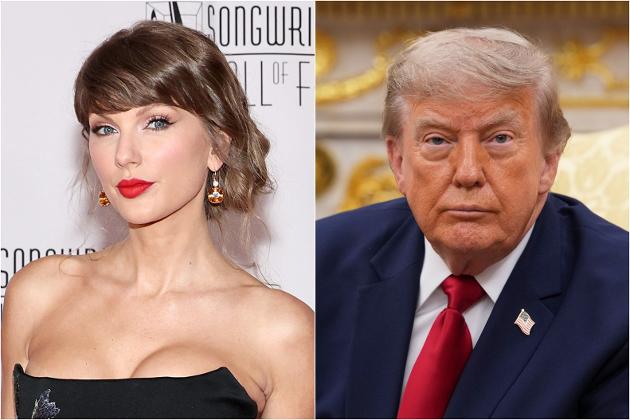
For the second time in a week, a Trump-affiliated TikTok video that used one of her songs was quietly stripped of its audio after the pop star removed the track from TikTok’s catalog.
On Wednesday, the official White House TikTok account posted a clip of President Donald Trump shaking hands and greeting staff, set to Swift’s 2021 vault track “I Bet You Think About Me.” The caption read: “We know you think about us,” a direct nod to the song’s chorus.
Within hours, the song was muted. The video stayed up, but played in silence. The track itself remains available on TikTok for other users, but the White House version can no longer use it.
This isn’t the first time this summer that Swift has cut off a Trump campaign or White House post.
Just days earlier, on August 8, the “Team Trump” campaign account posted a video using “August,” another track from Swift’s _folklore_ album. The caption was snarky: “I’m sure Taylor Swift is going to be super excited we used her song.”
After that post went live, Swift removed “August” from TikTok’s commercial music library for that account. She also went back and muted other Swift songs that had been used in Team Trump videos last fall.
Neither Swift nor her team have issued a public statement about either removal. The action itself has become the statement.
Since returning to office for a second term, Trump and his administration have leaned heavily into social media — especially TikTok and Instagram Reels — as a primary communication tool.
The style is familiar: fast cuts, memes, pop culture references, and popular songs used to frame policy announcements or highlight the president and First Lady in a positive light. The videos often feel designed to provoke reactions, rack up shares, and bait opponents online.
Music is a key part of that formula. Campaigns and official accounts routinely use trending sounds to boost reach. But using a major artist’s song without permission, or in a way the artist opposes, has become increasingly risky.
Swift’s catalog is controlled by her team and label. While short clips can be used under TikTok’s licensing deals, artists can also restrict how their music is used by specific accounts. That’s exactly what happened here.
Puerto Rican star Bad Bunny faced a similar situation weeks ago when the White House used his song “La Mudanza” in a video many critics called tone-deaf. Days later, that track was muted on the post. Bad Bunny didn’t comment publicly either. Since then, Trump-affiliated accounts haven’t tried to use his music again.
The quiet takedowns suggest a new playbook: instead of issuing cease-and-desists or lawsuits, artists are simply removing access at the source. It’s faster, and it avoids giving the posts more attention through a public fight.
Swift and Trump have had a tense relationship for years. She has been openly critical of his policies in the past and has encouraged fans to vote. Trump, for his part, has made disparaging comments about her on social media.
That history makes her music an obvious target for accounts looking to get a reaction. Using “I Bet You Think About Me” — a song about an ex who can’t stop thinking about you — to address Swift directly is the kind of internet bait that gets attention.
It also puts Swift in a position where staying silent means letting the association stand, while responding risks escalating it. By muting the songs without comment, she’s chosen a third option: remove the music and let the posts sit there, quiet.
The White House TikTok video with “I Bet You Think About Me” is still online. It just has no sound. The same is true for the earlier “August” post on the Team Trump account.
TikTok’s licensing system allows artists to block specific accounts from using their music while keeping it available for everyone else. It’s a tool that has become more common as musicians try to control how their work is used in political contexts.
For now, there’s no indication that legal action will follow. Swift’s team hasn’t commented, and the administration hasn’t responded to the removals either.
The incident does highlight a broader tension heading into the next election cycle. Social media teams want music to make their content feel current and viral. Artists want control over what their work is associated with. When those two things clash, the music is the first thing to go.
Whether you see it as a political statement or a simple copyright move, the effect is the same: the soundtrack got pulled.