Nigeria: Sarkodie says Nigerian artists benefit from billionaires’ financial support

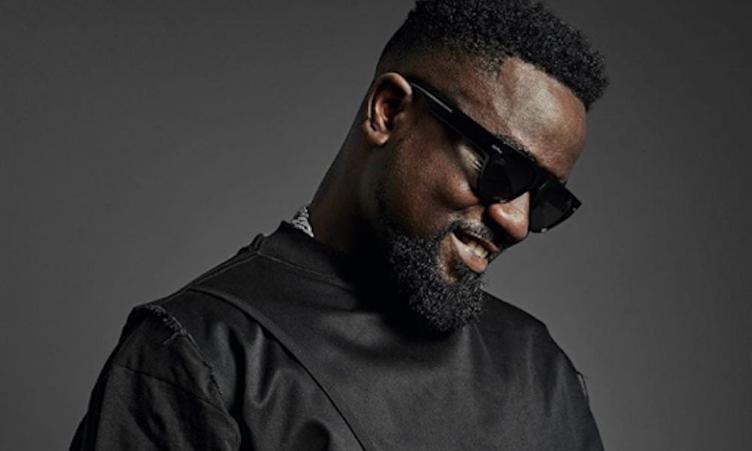
By Zuleihat Owuiye, Nigeria
Ghanaian rapper Sarkodie has said Nigerian musicians enjoy greater financial backing from wealthy businesspeople and billionaires than their counterparts in Ghana.
The award-winning rapper made the observation during a recent episode of the When We Sit podcast, where he discussed the differences between Nigeria’s and Ghana’s music industries, particularly in terms of investment and support for emerging talents.
According to Sarkodie, many Ghanaian musicians largely depend on their own resources to fund their careers, as securing financial support from local business executives remains a major challenge.
He explained that even when artists present well-prepared business proposals to potential investors in Ghana, convincing them to invest in music projects is often difficult.
Sarkodie contrasted this with Nigeria, where he believes wealthy individuals are more willing to take financial risks to promote local talent and help musicians expand their careers.
“What Ghanaian artists do is organic. I give a business plan, even with that it is hard to get some people to come in. But in Nigeria, I think they take a lot of risk, most of the rich people with money, take a lot of risk to put their people on,” he said.
The rapper noted that major music projects require substantial financial commitments, using performances at London’s O2 Arena as an example of the expenses involved in taking an African artist to an international stage.
He said the amount required to organise such a show could surprise many people, but artists must still find ways to secure the necessary funding to make their ambitions a reality.
Sarkodie also recalled an encounter with Nigerian billionaire and business executive Tony Elumelu, during which he was surprised by the amount Elumelu disclosed that he was investing in a Nigerian musician he considered a major prospect for the future of Afrobeats.
Although Sarkodie did not identify the musician in the account, he cited the experience as an example of the financial commitment some Nigerian business leaders are prepared to make towards developing the country’s music industry.
The rapper’s comments highlight the importance of private investment in helping musicians finance recordings, music videos, promotions, international tours and other activities needed to build successful careers.
While talent and creativity remain essential to an artist’s success, access to funding can determine how effectively musicians promote their work, reach international audiences and compete in the global entertainment market.
Nigeria’s music industry has produced several internationally recognised Afrobeats stars, with Nigerian artists increasingly performing at major venues and festivals around the world. Financial backing from wealthy individuals and corporate partners can help support such expansion by providing resources that artists might struggle to raise independently.
Sarkodie’s remarks suggest that Ghanaian musicians could benefit from stronger relationships with local investors and business leaders who are willing to support creative projects.
He therefore urged wealthy Ghanaians and business executives to adopt a more supportive approach similar to what he believes exists in Nigeria, arguing that greater investment could help Ghanaian artists grow their careers and strengthen the country’s position in the African music industry.
His comments have also drawn attention to the wider question of how African entertainment industries can create better funding opportunities for musicians, particularly those seeking to expand beyond their home markets.
For Sarkodie, encouraging more Ghanaian investors to take calculated risks on local talent could be an important step towards giving artists the financial backing needed to compete more effectively across Africa and internationally.