Nigeria: Police arrest INEC officer, question Wike’s aide over alleged voter data leak

By Zuleihat Owuiye, Nigeria
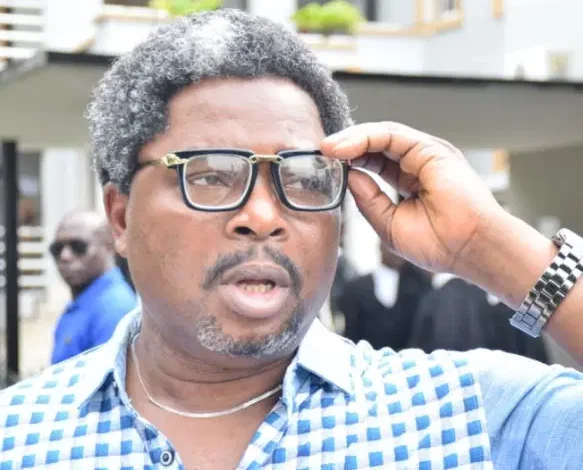
The Nigeria Police Force has launched an investigation into the alleged unauthorised access and leakage of classified voter information from the Independent National Electoral Commission, INEC, database, resulting in the arrest of an INEC official and the interrogation of Lere Olayinka, media aide to the Minister of the Federal Capital Territory, Nyesom Wike.
Senior police sources confirmed on Wednesday, June 4, 2026, that operatives of the Force Intelligence Department–Intelligence Response Team, FID-IRT, are probing allegations of database misuse, cyber-related offences, and the unlawful disclosure of sensitive national documents belonging to INEC.
As part of the probe, an INEC electoral officer whose identity has not been disclosed has been taken into custody. Olayinka was questioned on Tuesday at the Police Headquarters in Abuja.
The investigation followed a petition reportedly filed on behalf of INEC, alleging criminal conspiracy, cyber intimidation, and the unlawful release of classified electoral records.
The controversy began after Olayinka shared screenshots on social media showing details of a voter registration transfer involving Nollywood actor and politician Emeka Ike, from Imo State to the FCT. The post came amid public debate over Ike’s eligibility to contest a House of Representatives seat in the FCT, following his criticism of the Nigeria Democratic Congress, NDC, primary process.
Many Nigerians questioned how Olayinka obtained the information, suggesting it could only have come from INEC’s restricted voter registration database.
Responding on Tuesday, INEC denied reports of a breach or hacking of its Continuous Voter Registration, CVR, database. The commission said the disclosure resulted from the misuse of legitimate internal access credentials by an authorised official.
Investigations revealed that the detained electoral officer allegedly initiated contact with Olayinka through Facebook Messenger before forwarding voter registration documents to him via WhatsApp. The documents were reportedly intended to show that Ike’s voter transfer request had recently been initiated and had not yet received final approval.
During interrogation, Olayinka reportedly told investigators that he had no prior relationship with the INEC official and was unaware that the documents were classified. He maintained that the officer did not indicate the information was confidential or restricted.
The Department of State Services, DSS, has also launched a parallel investigation into the circumstances surrounding the disclosure of the voter information.
Police authorities said they are considering possible charges against both the INEC official and Olayinka, including criminal conspiracy, cyber-related offences, unlawful disclosure of classified information, and actions capable of causing a breach of public peace.