Nigeria: Pastor Adeboye breaks silence over viral report

By Zuleihat Owuiye, Nigeria
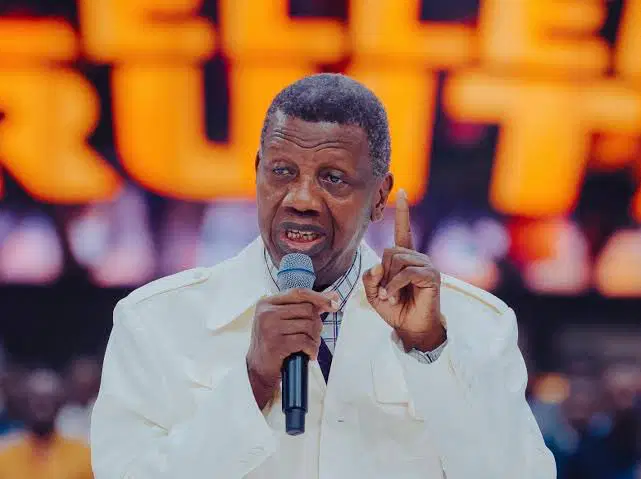
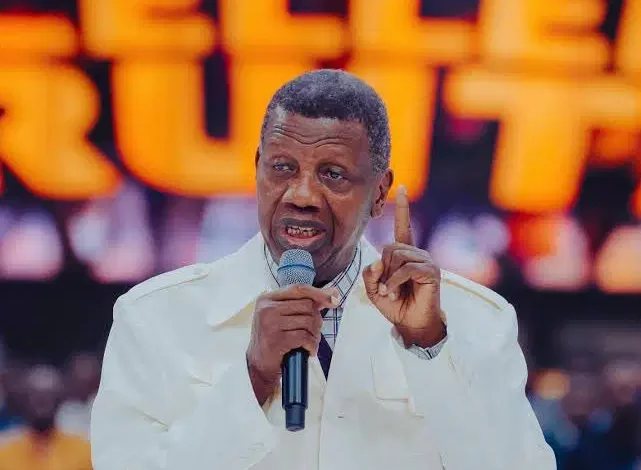
Pastor Enoch Adeboye, General Overseer of the Redeemed Christian Church of God (RCCG), has dismissed reports suggesting that he carried a placard in protest against former President Goodluck Jonathan, insisting that the exercise was a prayer walk.
The cleric addressed the controversy on Sunday during the church’s November Thanksgiving service, where he criticised a journalist for allegedly misrepresenting the incident and portraying him as a wicked person.
Adeboye explained that although he carried a placard, the activity was part of a prayer exercise rather than a demonstration against Jonathan’s administration.
According to him, the report misrepresented the circumstances surrounding the event and failed to establish the correct timeline before publication.
Recounting how he learnt about the report, the RCCG leader said he was initially amused by the allegation that he had acted maliciously towards the former president.
“Recently, somebody wrote in the papers, or said somehow, ‘Pastor Adeboye is a very wicked man. After all, we know that not too long ago, he carried a placard against President Goodluck Jonathan,’” he recalled.
The cleric acknowledged carrying a placard but maintained that the purpose of the exercise had been wrongly presented.
“True, I carried a placard. I can’t deny that. It was important. It was a prayer walk. We wanted to pray,” he said.
Adeboye explained that the exercise followed a directive encouraging churches to organise prayer walks around their premises.
He said he participated in the activity in response to the instruction and insisted that it was intended to encourage prayer rather than express opposition to any political leader.
“The chairman said all churches should do a prayer walk near their churches. That’s what I did,” he stated.
The RCCG leader also challenged the timeline presented in the report, arguing that the date of the prayer walk contradicted claims that the placard had been directed against Jonathan while he was president.
According to Adeboye, the exercise took place in 2020, five years after Jonathan left office in 2015.
“But I carried the placard in 2020. Jonathan ceased to be president in 2015. I carried the placard five years in the second term of Buhari,” he said.
He accused the journalist of distorting the facts and criticised the publication for allegedly failing to investigate the matter adequately before presenting the story to the public.
Adeboye expressed concern that readers had accepted the report without properly examining the circumstances surrounding the incident.
“But a journalist twisted it. I said, I did what I did in 2015. And everybody swallowed it,” he said.
The cleric further reflected on the importance of responsible journalism, recalling lessons he encountered while studying journalism in the 1960s.
He said journalists were taught to investigate claims thoroughly and establish the facts before publishing reports, rather than relying on appearances or unverified information.
Adeboye argued that the controversy illustrated why media practitioners must exercise caution when reporting sensitive issues, particularly those involving public figures and political history.
“I remember in those days in the Department of Journalism, when you go there and you take a course, they talked about something called investigative journalism,” he said.
He added that journalists should not rush to conclusions based on incomplete information.
“That things don’t appear as they may seem. Investigate, if you have a story, before you take it to the press,” he stated.
The pastor’s remarks come amid renewed public discussion about the alleged placard incident and the circumstances surrounding the prayer walk.
His clarification centres on the distinction between participating in a religious exercise and engaging in political protest, with Adeboye insisting that the original purpose of the activity was prayer.
The RCCG leader maintained that the report had presented the incident in a misleading manner and urged the importance of verifying information before publication.
His comments also renewed attention on the role of investigative journalism in promoting accuracy, accountability and public trust, particularly when reports concern prominent religious figures and former political leaders.