Nigeria: ‘Governors have power to tackle insecurity, must stop waiting for Abuja’

By Zuleihat Owuiye, Mamos Nigeria
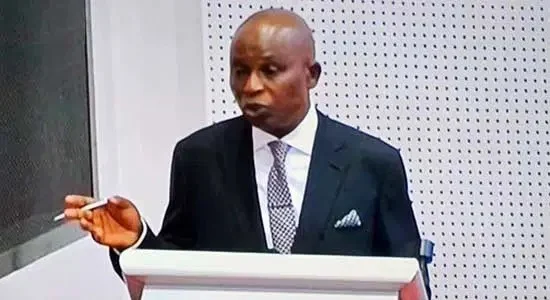
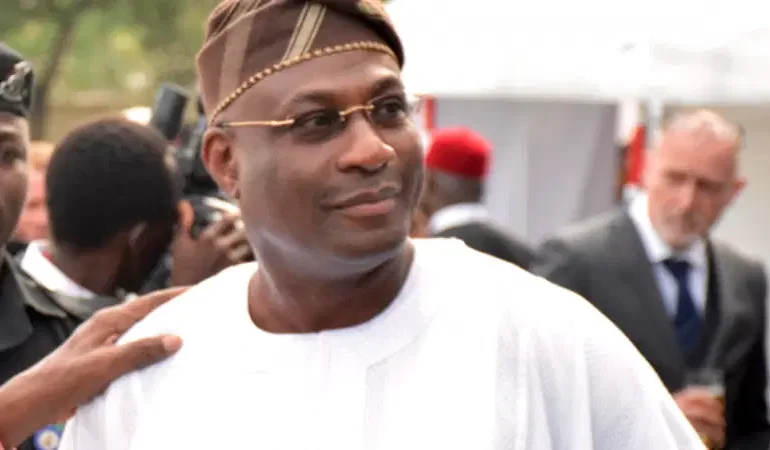
Retired Commissioner of Police Fatai Owoseni says Nigeria’s insecurity problem is not about structure but leadership, trust, and local initiative, insisting governors have the authority and tools to act decisively without waiting for Abuja.
Owoseni, who served in Lagos and Benue and now advises the Oyo State Government on security, spoke in an interview with Vanguard’s Clifford Ndujihe. He dismissed claims that governors are helpless under the current security architecture.
“Whoever is a governor in a state is the president in that state. Whoever is the chairman of the local government is the president of his local government, the Commander-in-Chief of the Armed Forces,” he said. “The issue of everybody running to Abuja… it is not the president that will design the security in the states for them.”
Reacting to the recent attacks in Jos, Plateau State, Owoseni said condolences are not enough and that “something must be missing” in Nigeria’s security response. He identified intelligence as the critical gap.
“Technology without highly resourced boots on the ground? Technology alone cannot do it,” he said. “We must get the trust of the people. If they have confidence in our security system, they will also play a major role… what we call human intelligence.”
He argued that Nigeria’s terrain requires homegrown answers. “The insecurity problem in Nigeria, if we want to solve it, is not about importing a solution. The solution is within us, and we must find a way of tapping into that solution and optimizing our own capacity.”
*Governors Must Do Threat Analysis*
On the practice of governors being summoned to Abuja after attacks, Owoseni said the president should not have to invite them. “Every governor has a solution within his domain… The governor must be able to sit down and do a threat analysis with the security apparatus he has in his domain. So, when he’s going to meet the president, he should be telling the president… this is the area you can help me with.”
He criticized absentee local government chairmen and governors who spend little time in their states. “It is only when they want people’s votes that you see them within their community.”
Owoseni said state police are “not the only solution” to insecurity. “A whole society approach to securing our people is necessary… getting the confidence of the people, getting the trust of the people, the governors should be on the ground.”
He noted that many junior police officers already serve 10–15 years in one state and know the terrain, countering arguments that familiarity requires state police.
On roles, he stressed clarity: “The police are a civil force. Its primary responsibility is to maintain law and order… not trained, equipped, or structured to engage in full-scale combat operations against insurgents.” Turning police into a combat force would create a police state, he warned.
Owoseni cited his time in Lagos from 2015, when banks faced frequent robberies. “We used… a technical platform… optimized it… since that period… up until today, how many times have you heard of all those serious bank robbery cases?” He credited government support, police headquarters backing, and public cooperation.
In Oyo State, he said the government adopted a “proactive and integrated concept” — a handshake between state and non-state actors. “We are not saying we are perfect, but we centered all our architecture on proactive and integrated concept.”
Asked about fact-finding committees on Plateau violence, Owoseni blamed “insincerity.” Such structures often use “strangers to the community” and exclude locals. He recalled living in Jos and attending the University of Jos, saying the city was once peaceful and a retirement choice for security personnel.
“This ethnicity, tribalism, senseless things crop up… Jos North people, who are predominantly the Hausas and the Fulanis, have been living there for years. They’ve intermarried with the Birom people.” He said diversity should be strength but is weaponized by “callous people” who benefit from division.
“Bandits are bandits. Bandits have no color. Bandits have no tribe. Criminals have no religion,” he said. “Immediately, any leader starts to colorize the issue of security… they will fail.”
Owoseni said peace-building fails because of systemic dysfunction. Internal security is primarily police work, but the police are under-resourced. “The military’s role should be temporary and decisive, not permanent. If the police are not strengthened, insecurity will persist.”
He called for tackling tribal and religious bias within security agencies. Officers must be loyal to the constitution, not ethnic or religious identities.
Communities also have a role. “Security cannot be outsourced entirely to government… basic things like securing homes, installing lighting, and supporting community surveillance systems.” He faulted elites who avoid contributing to local security efforts.
“They must demand accountability from their leaders — governors, local government chairmen, and traditional rulers,” Owoseni said. “It is not enough to welcome leaders during visits without follow-up. Communities must insist on results.”
He urged a whole-of-society approach: “They are the first responders. They must rise and say enough is enough… The solution is not in Abuja. The solution is right there in their communities.”