Nigeria: ‘Golden voice of Africa’ Salif Keita cancels South Africa shows

By Zuleihat Owuiye, Nigeria
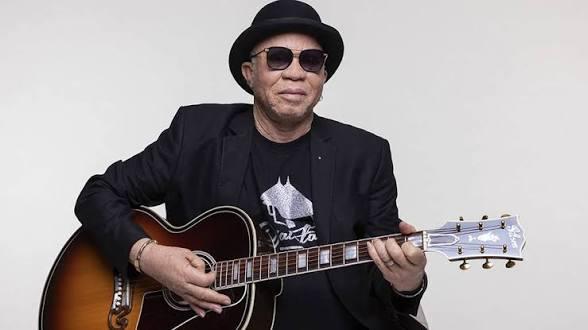
Malian music icon Salif Keïta has canceled his headline performance at South Africa’s Mangaung African Cultural Festival, citing rising violence and hostility toward African migrants in the country.
The 77-year-old singer, celebrated worldwide as the “Golden Voice of Africa,” said he could not take the stage while fellow Africans are being targeted in their host country.
In a public statement released this week, Keïta announced his withdrawal from Macufe, the Free State province’s flagship cultural festival scheduled for October.
“My refusal to perform on commercial stages is not a rejection of South Africa or its people,” Keïta said. “It is a firm stance against the rising hatred and violence that is being directed at African migrants.”
The singer pointed to his long history with South Africa, including his 1988 performance at London’s Wembley Stadium for the anti-apartheid tribute concert. That event was held to honor Nelson Mandela while he was still imprisoned.
“To see migrants chased, beaten, and driven from their homes today goes against everything that struggle stood for,” Keïta said. “The legacy built by Madiba was one of unity, not division. Colonial borders were drawn by outsiders. They should never divide our shared African humanity.”
Keïta added that people who leave their countries in search of work, safety, and dignity deserve respect, not intimidation.
The Free State Department of Sport, Arts, Culture, and Recreation responded with regret. Officials said Macufe was created specifically to promote pan-African unity, cultural exchange, and solidarity.
“We are deeply disappointed by Mr. Keïta’s decision,” a department spokesperson said. “The festival has always been a platform for African artists to come together and celebrate our common heritage.”
Despite the statement, organizers acknowledged the broader climate that led to the cancellation. They said they remain committed to making the festival a safe and welcoming space for all African artists and audiences.
Keïta’s withdrawal comes amid months of escalating tension in South Africa around migration.
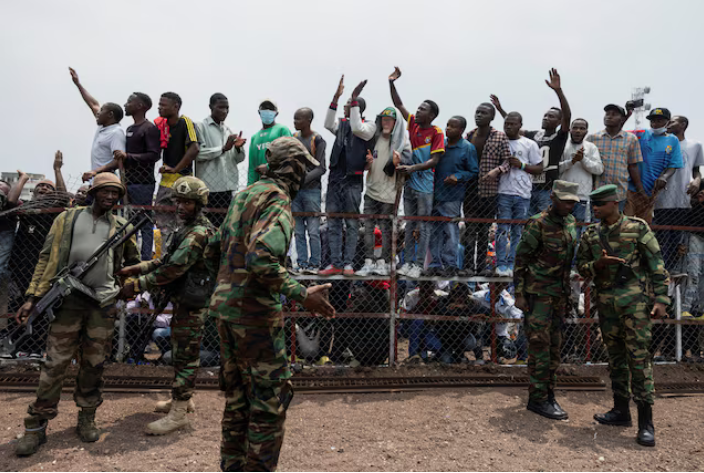
Anti-immigration groups such as March and March and Operation Dudula have held large protests in several provinces, calling for the removal of undocumented foreign nationals. Some of the demonstrations have turned violent, with shops owned by migrants looted and individuals attacked.
The unrest has had a direct human cost. Since May 2026, more than 160,000 migrants have left South Africa either voluntarily or through evacuation efforts coordinated by their home governments. Those affected include citizens of Zimbabwe, Malawi, Mozambique, Nigeria, and Tanzania.
Community leaders and rights groups say fear has spread in townships and inner-city neighborhoods where migrants live and work. Many have closed businesses or moved families across borders to avoid being targeted.
The South African government has said it is acting to restore order. Officials maintain that law enforcement operations against illegal immigration are separate from acts of violence, and that those who attack foreigners are being arrested and prosecuted.
In recent briefings, government representatives have called for calm and urged citizens not to take the law into their own hands. They have also emphasized South Africa’s constitutional commitment to human rights and regional cooperation.
But critics argue that political rhetoric around “illegal foreigners” has fueled the crisis. Diplomats from several neighboring countries have raised concerns with Pretoria, warning that the violence is damaging regional relations and undermining decades of post-apartheid solidarity.
Born in Bamako in 1949, Salif Keïta is one of Africa’s most influential musicians. An albino born into a royal Griot family, he overcame stigma early in life to become a global ambassador for Malian and African music.
His catalog blends traditional Mande sounds with jazz, funk, and pop, earning him fans across continents. Beyond music, Keïta has been vocal on issues of health, disability rights, and African unity.
His decision to pull out of Macufe is consistent with that record. For Keïta, culture and politics are not separate.
“Music is supposed to bring people together,” he said. “I cannot sing about brotherhood on a stage in a country where my brothers are being chased out of their homes.
Macufe, short for Mangaung African Cultural Festival, is one of South Africa’s largest annual arts events. It draws musicians, dancers, visual artists, and theater groups from across the continent.
Losing a headliner of Keïta’s stature is a blow, both artistically and symbolically. Festival organizers now face the task of filling the gap while addressing the concerns that led to the cancellation.
More broadly, the incident highlights how domestic tensions are spilling into cultural and diplomatic spaces. Artists, athletes, and academics are increasingly being asked to take positions on political issues, and some are choosing to use their platforms to protest.
Civil society groups in South Africa and across the region have called for urgent dialogue to address the root causes of the crisis — including unemployment, service delivery failures, and misinformation about migration.
They argue that migrants are often scapegoated for systemic problems, and that solutions require policy, not violence.
Keïta echoed that sentiment in his statement. “We are one people,” he said. “What hurts one of us hurts all of us. It is time for leaders, communities, and citizens to choose humanity over hate.”
As of now, Keïta has not announced replacement dates for South Africa. He said he hopes to return when conditions change.
For a musician whose voice helped soundtrack the anti-apartheid movement, the cancellation is more than a scheduling change. It is a reminder that the fight for dignity and unity in Africa is ongoing — and that sometimes, silence on stage can speak louder than any words.