Nigeria: Fulani group urges U.S. to avoid ethnic profiling in Nigeria’s security crisis

By Zuleihat Owuiye, Nigeria
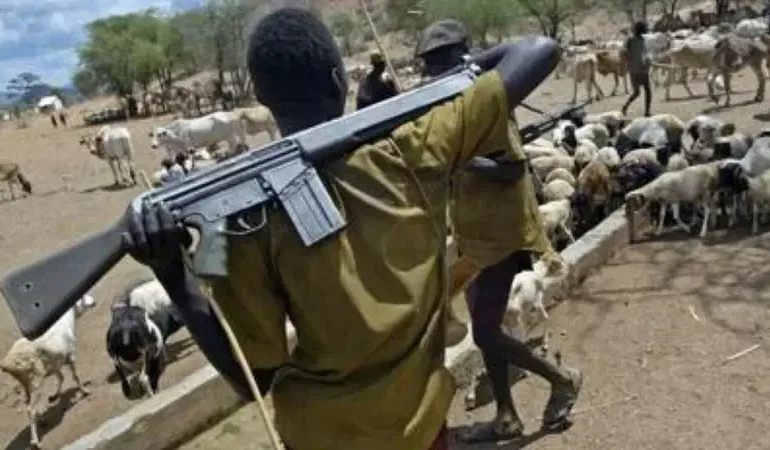
The Concerned Fulani People of Nigeria has called on the U.S. and other international actors to stop framing the Fulani as the sole source of insecurity in Nigeria, warning the narrative risks deepening ethnic divisions.
In a statement Thursday signed by Ibrahim Barkindo Chubado, the group reacted to recent U.S. reports linking “Fulani herders” and “Fulani militancy” to banditry and violence.
The group said earlier U.S. assessments cautioned against broad generalisations and ethnic profiling, noting such framing could escalate communal tensions. It recalled similar patterns during the Buhari administration, when debates often tied insecurity to Fulani identity or religion. That, it said, fueled hostility against Fulani communities in the South and North-Central, leading to attacks, property destruction, and livestock losses.
It argued that herder–farmer conflicts have been oversimplified. Security experts, the group noted, attribute them more to land disputes, environmental pressure, grazing routes, and local politics than to ethnicity or religion. Many Fulani families in crisis states like Benue, Plateau, and Taraba have lived there for generations, it added.
The group cited past incidents in Ekiti, Ondo, and Edo where initial blame on Fulani groups was later disputed by security findings. On the 2022 St. Francis Church attack in Owo, it said early accusations targeted Fulani herders, but the Defence Headquarters later linked it to criminal elements from an Ebira subgroup. Despite the clarification, Fulani residents in Ondo still faced arrests and profiling, it alleged.
It also rejected a USCIRF report claim that 30,000 armed Fulani militants drive insecurity, calling it “unfair stereotyping.” Insecurity, the group said, involves banditry, terrorism, separatist violence, kidnapping, and communal clashes across regions and ethnic lines.
It urged balanced, evidence-based reporting and reforms like ranching, land-use policy adjustments, and stronger law enforcement, rather than ethnic scapegoating.
“Nigeria’s future cannot be built on ethnic scapegoating, mutual suspicion or divisive narratives,” the statement concluded.