Nigeria: Enugu Muslim leaders deny involvement in Alhaji Musa Ani’s arrest


By Zuleihat Owuiye, Mamos Nigeria
Muslim leaders in Enugu State have strongly denied claims that they were behind the recent arrest of Alhaji Musa Ani, describing the allegations circulating on social media as baseless and misleading.
The clarification comes after reports suggested that local Islamic leaders orchestrated Ani’s detention over the management of the Enugu Islamic Centre. According to the leaders, Ani was instead invited and later arrested by the police following multiple petitions alleging financial mismanagement and lack of accountability at the centre over the past three decades.
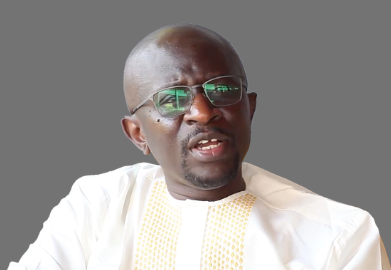
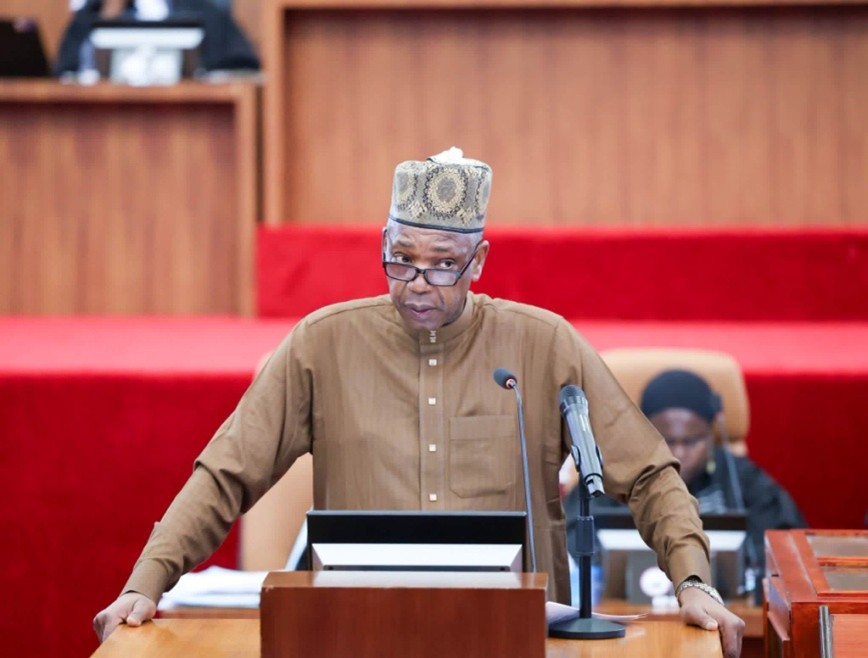
Speaking to journalists in Enugu on Monday, Hon. Alhaji Ibrahim Ezeani, Chairman of Jama’atu Izalatil Bid’ah Wa Iqamatus Sunnah (JIBWIS) in Enugu State, said the arrest was carried out solely by security agencies in response to formal complaints from members of the Muslim community.
“The claim that Muslim leaders arrested Alhaji Musa Ani is false and should be disregarded,” Ezeani stated. “His arrest followed petitions requesting a detailed account of his stewardship over the Islamic Centre spanning more than 30 years. The community has been asking for transparency, and the police acted on those demands.
The Enugu Islamic Centre has long served as a religious and cultural hub for Muslims in the southeastern state. Established over 30 years ago, it has functioned as a place of worship, Islamic education, and community gathering. In recent years, however, concerns have grown over its administration, particularly regarding financial records, property management, and the use of donations.
Alhaji Musa Ani, who has been associated with the centre’s leadership for much of its history, has faced increasing pressure from sections of the Muslim community to provide a comprehensive account of his tenure. Several petitions were reportedly submitted to both religious authorities and law enforcement, calling for an independent audit and clearer governance structures.
Ezeani explained that the petitions were not motivated by personal disputes but by a genuine desire to restore public trust in the institution. “The Islamic Centre belongs to the entire Muslim community in Enugu, not to one individual. For years, members have asked for transparency. When those requests were ignored, they had no choice but to approach the authorities,” he said.
According to Ezeani, the police acted within the bounds of the law after receiving the petitions. He emphasized that Muslim leaders played no role in the arrest itself and had only cooperated with investigators by providing relevant information.
“We are law-abiding citizens. We do not have the authority to arrest anyone. Our responsibility is to ensure that the affairs of the Islamic Centre are conducted in line with Islamic principles of accountability and justice,” he said. “The police have a constitutional duty to investigate any allegations of misconduct, and that is what they have done.”
He added that the community had exhausted internal mediation efforts before resorting to legal channels. “We tried to resolve this matter internally for a long time. But when there was no cooperation, we had to let the law take its course,” Ezeani noted.
Beyond addressing the controversy surrounding Ani’s arrest, Ezeani used the opportunity to reaffirm the Muslim community’s commitment to reviving and strengthening the Enugu Islamic Centre. He said plans are already underway to establish a new management structure that will ensure transparency, inclusivity, and proper stewardship of the centre’s resources.
“Our goal is not to destroy but to rebuild,” he said. “The Enugu Islamic Centre should be a place that unites Muslims and serves the wider society. We intend to set up a board of trustees with representatives from different Islamic groups in the state to oversee its operations going forward.”
Ezeani also called on Muslims in Enugu to remain calm and avoid spreading unverified information on social media. He warned that false narratives could create unnecessary tension and undermine efforts to restore unity within the community.
“We urge everyone to verify information before sharing it. The Muslim community in Enugu has always lived peacefully with other religious groups, and we will not allow this issue to damage that relationship,” he said.
The arrest has sparked mixed reactions among Muslims in Enugu. While some have welcomed the move as a step toward accountability, others have expressed concern about the timing and the way the matter has played out in the public domain.
Several community members interviewed by local reporters said the incident highlights a broader issue of governance within religious institutions across the country. “This is not just about Enugu or about one person,” said Hajiya Fatima Omeje, a longtime member of the Muslim community. “Many religious centres lack proper oversight, and that creates room for abuse. What we need now is a system that ensures transparency and protects the integrity of our institutions.”
Religious scholars in the state have also weighed in, calling for greater education on Islamic principles of financial accountability. Imam Abdulwahab Musa of the Enugu Central Mosque said Islam places a strong emphasis on trust and responsibility in leadership. “Those entrusted with public or community resources must be ready to give an account. That is a core teaching in Islam,” he said.
Legal experts in Enugu say the case underscores the importance of due process in handling allegations within religious and community organizations. Barrister Chukwuemeka Nwodo, a human rights lawyer based in Enugu, noted that while religious leaders have moral authority, they do not have legal powers to detain individuals.
“In Nigeria, only law enforcement agencies can carry out arrests. If there are allegations of wrongdoing, the proper channel is to report to the police or relevant authorities,” Nwodo explained. “What the Muslim leaders have done by distancing themselves from the arrest is both accurate and responsible.”
Politically, the incident comes at a time when religious groups in the Southeast are increasingly seeking greater recognition and representation. Enugu, though predominantly Christian, has a significant Muslim population, and leaders have been working to foster interfaith dialogue and cooperation.
As investigations continue, the focus within the Muslim community has shifted to rebuilding trust and ensuring the long-term sustainability of the Enugu Islamic Centre. Ezeani said a series of consultations will be held in the coming weeks with stakeholders, including traditional rulers, youth groups, and women’s organizations, to chart a new path forward.
“We want to turn this challenge into an opportunity,” he said. “The centre should be a symbol of unity and service, not a source of division. We are committed to making that happen.”
For now, Ani remains in police custody as investigations proceed. The police have not released an official statement on the charges or the timeline for further action, but sources indicate that a thorough audit of the centre’s records is underway.
The Muslim leaders say they will continue to cooperate with authorities while also working to protect the reputation of the Islamic community in Enugu. “Our faith teaches us justice, fairness, and honesty,” Ezeani concluded. “That is what we will uphold in this matter and in all others.”