Nigeria: Duane ‘Keffe D’ Davis found guilty of first-degree murder in Tupac Shakur killing

By Zuleihat Owuiye, Nigeria
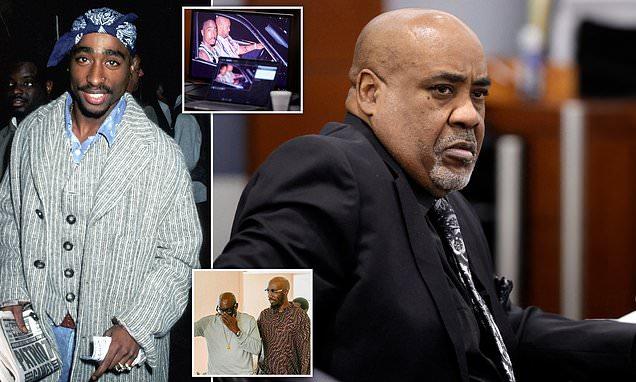
Duane ‘Keffe D’ Davis has been found guilty of first-degree murder in Tupac Shakur killing.
Prosecutors argued that the shooting was an act of revenge following an altercation earlier that night at the MGM Grand. Members of Shakur’s entourage had attacked Orlando “Baby Lane” Anderson, Davis’ nephew, after a Mike Tyson boxing match.
According to the prosecution, Davis helped organize the retaliation, obtained a firearm and supplied it to the men inside the Cadillac. Prosecutors did not claim that Davis personally fired the fatal shots. Instead, they argued that he was legally responsible for helping plan and carry out the murder.
Under Nevada law, a person who assists another individual in committing murder can be held criminally responsible for the killing.
In a 2008 interview with investigators, Davis described details about the people inside the Cadillac and the events leading up to the shooting. Prosecutors argued that some of the information he provided was so specific that it could only have come from someone directly involved.
Davis also discussed his role in his 2019 memoir, Compton Street Legend. His public statements and the book helped investigators revive interest in the long-running case.
Prosecutors said Davis had repeatedly placed himself inside the Cadillac involved in the shooting. They also highlighted his account that he obtained a .40-caliber handgun and handed it toward the back seat.
Chief Deputy District Attorney Binu Palal told jurors that Davis and the other men were actively searching for Shakur before finding him on the road.
“The core facts remain,” Palal argued during closing statements, maintaining that the shooting was planned rather than a spontaneous act.
Davis’ attorney, Michael Sanft, argued that there was insufficient independent evidence placing his client in Las Vegas or inside the Cadillac on the night of the shooting. He pointed to the absence of modern forms of evidence, including cellphone records and surveillance footage.
Sanft also suggested that Davis had fabricated portions of his story during a 2008 interview because he feared facing a lengthy prison sentence on unrelated drug charges.
The defense further argued that Davis had an incentive to exaggerate his involvement because of the attention surrounding Shakur’s death and the publication of his memoir.
The trial lasted nine days, with jurors hearing from 24 prosecution witnesses and three defense witnesses. Because the case was nearly three decades old, both sides faced difficulties presenting evidence that might have been readily available in a more recent investigation.
Prosecutors nevertheless emphasized Davis’ repeated public accounts of the shooting, as well as evidence concerning the long-running rivalry between the South Side Compton Crips and the Mob Piru street gangs.
They also argued that Davis held influence over younger gang members and that his position made his involvement particularly significant.
Davis is the only surviving person prosecutors have identified as being inside the white Cadillac. The other men allegedly connected to the vehicle have since died.
The verdict brought an emotional moment in court, with Shakur’s sister, Sekyiwa “Set” Shakur, appearing to cry quietly as the decision was announced. Tupac’s brother, Mopreme Shakur, was also present during the proceedings.
Despite the guilty verdict, the legal battle may not be over. Davis has indicated that he intends to appeal the conviction.
For fans and relatives of Tupac Shakur, the verdict represents a significant moment in a case that has remained a mystery for generations. Nearly three decades after the rapper’s death, the conviction has finally placed one of the central figures prosecutors say was involved in the fatal shooting behind a criminal judgment.