Nigeria: After 12 years, US lifts security restrictions on Nigerian-bound vessels

By Zuleihat Owuiye, Nigeria
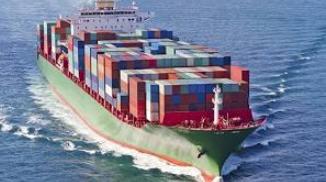
The United States has lifted a 12-year security restriction on vessels arriving from Nigeria, a move the Federal Government says marks a major breakthrough for Nigeria’s maritime sector and global trade reputation.
The United States Coast Guard, USCG, announced the removal of the Condition of Entry, CoE, that had been in place since June 25, 2014. The policy required ships that had called at designated Nigerian ports within their last five port calls to undergo additional security screening before entering US waters.
Minister of Marine and Blue Economy, Dr. Adegboyega Oyetola, announced the development on Tuesday, describing it as proof of Nigeria’s progress in strengthening port security and aligning with international standards.
When the CoE was imposed in 2014, it placed Nigerian ports in a heightened risk category in the eyes of US authorities.
Under the rule, any vessel heading to the United States that had visited certain Nigerian ports had to provide advance notice, undergo extra inspections, and meet stricter security protocols on arrival in US ports.
For Nigerian exporters, shipping lines, and terminal operators, that translated to longer turnaround times, higher costs, and reduced competitiveness compared to other West African hubs.
The restriction stemmed from concerns at the time about gaps in the implementation of the International Ship and Port Facility Security, ISPS, Code in Nigeria.
Oyetola said the lifting followed sustained reforms led by the Federal Ministry of Marine and Blue Economy, through the Nigerian Maritime Administration and Safety Agency, NIMASA, in partnership with port authorities, terminal operators, shipping companies, and security agencies.
“Our focus over the last few years has been to close the gaps, strengthen our security architecture, and ensure full compliance with the ISPS Code,” the Minister said. “This is the result of that collective effort.”
According to the ministry, the USCG carried out four detailed assessments of Nigeria’s maritime security framework and port facilities over the past two years. The inspections took place in March and April 2024, March 2025, and April 2026.
The assessments covered access control, surveillance, emergency response, cargo security, personnel training, and coordination between port facility security officers and government agencies.
Oyetola said the reports showed “significant improvement” in how Nigeria manages port security and implements global best practices.
“The lifting of the Condition of Entry is a major milestone for Nigeria’s maritime sector. It is a strong affirmation of the progress we have made in strengthening maritime security and implementing the ISPS Code across our ports and facilities,” he said.
Maritime experts say the removal of the CoE will have immediate practical benefits.
The Minister said the government will not relax after the win. “We are committed to sustaining this momentum and ensuring that Nigeria remains a safe, secure and competitive destination for international shipping,” Oyetola said.
Oyetola specifically commended the Director-General of NIMASA, Dr. Dayo Mobereola, and his team for driving the reforms.
“This development demonstrates the impact of effective regulation, stakeholder collaboration and sustained investment in maritime security,” he said.
NIMASA has in recent years invested in the Deep Blue Project, a maritime security initiative that combines air, sea, and land assets to patrol Nigerian waters. The agency has also worked with the Nigerian Navy, Nigerian Ports Authority, and port facility operators to conduct regular ISPS drills and audits.
Industry stakeholders welcomed the news. The Shipowners Association of Nigeria said the lifting would restore confidence in Nigerian-flagged vessels and encourage more direct shipping services to the US.
A senior official of the Nigerian Ports Authority noted that terminal operators had upgraded CCTV, access control, and perimeter fencing as part of the compliance push.
The announcement comes as the Tinubu administration pushes to grow Nigeria’s Blue Economy. The ministry has set targets to increase port efficiency, reduce cargo dwell time, and attract more foreign direct investment into port infrastructure.
Oyetola said security was the foundation for all of that. “You cannot talk about competitiveness if international partners do not trust your security systems. Today, that trust has been restored in a significant way.”
He added that Nigeria will continue to work closely with the USCG, the International Maritime Organization, and other partners to maintain standards and prevent a return to restrictive measures.
On social media, shipping agents and freight forwarders described it as “long overdue” and “a win for Nigerian trade.” Some noted that the restriction had been a source of frustration for more than a decade, often cited in negotiations with foreign partners.
A Lagos-based exporter said: “This means our goods can move faster and cheaper. For 12 years we paid for a tag that was not about our products, but about the port we used. That is finally gone.”
While the CoE has been lifted, Nigerian authorities say the work continues. The ministry plans to institutionalize the security upgrades, expand training for port facility security officers, and conduct regular self-assessments to stay ahead of future audits.
For now, the lifting is being hailed as both a diplomatic and economic victory. It closes a 12-year chapter and opens a new one for Nigeria’s engagement with the world’s largest economy through the sea.
As Oyetola put it: “This is not just about ships. It is about Nigeria’s standing in the global maritime industry. And we intend to keep raising that standard.