GAMBIA SEEKS FUNDING FOR NEXT PHASE OF TRANSITIONAL JUSTICE

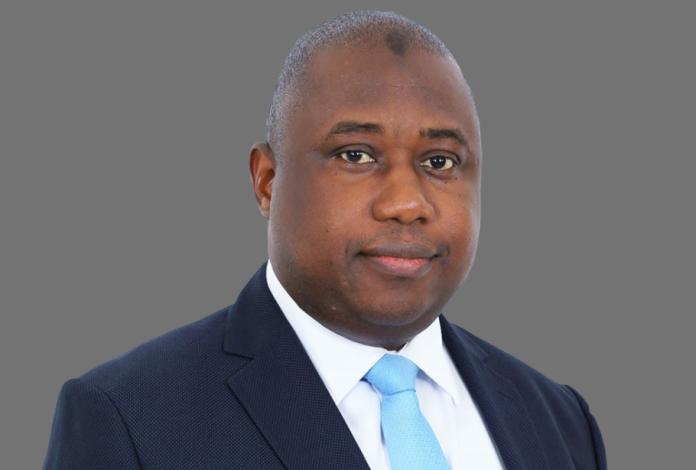
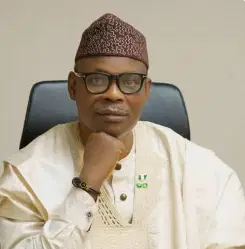
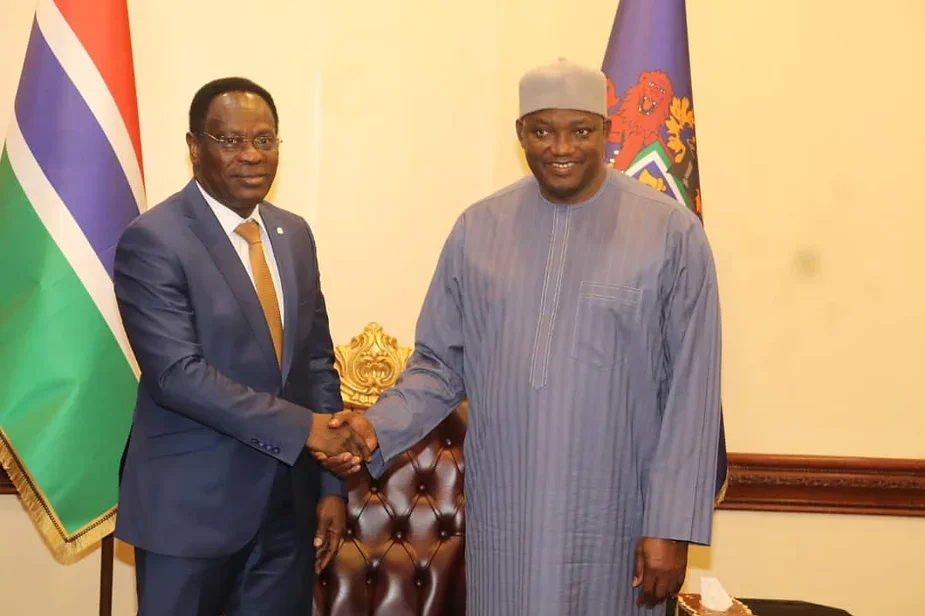
The Minister of Justice Dawda Jallow has appealed to the international community to fund the next phase of The Gambia’ transitional justice process, warning that political will alone cannot deliver trials, reparations and reform without cash.
Addressing the UN Peacebuilding Commission in New York on Tuesday, Minister Dawda Jallow informed the forum that The Gambia has built the laws, the courts and the institutions. “What it lacks is the money to run them.”
Jallow called the country’s post-2017 record “a remarkable democratic transition.”
“We have implemented two peaceful election cycles, set up a Truth, Reconciliation and Reparations Commission that broadcast victim and perpetrator testimonies live for nearly three years as well as released government White Paper accepting 263 of 265 TRRC recommendations, backed by a five-year, 304-activity Implementation Plan costing an estimated $150 million,” he told his audience.
He added that since 2017, the National Assembly has passed a new architecture for justice including the 2023 Victims Reparations Act and Reparations Commission and Fund.
“The government has allocated 20 million dalasis in 2025 and another 20 million in 2026. The Ban from Public Office Act, Special Accountability Mechanism Act, and Special Prosecutor’s Office Act were all passed by April 2024. In December 2024, The Gambia and Ecowas created a hybrid court — the Special Tribunal for The Gambia — to pursue domestic and international prosecutions.”
He said during the same period the National Human Rights Commission was granted “a status” as an independent institution while a National Strategy on Memorialisation and a National Programme on Archiving await Cabinet review.
“One needs not look much further than The Gambia for powerful demonstration of sustained political will almost a decade into our democratic transition,” Jallow told the Commission.
The funding gap
Commenting on the issues of funding, AG Jallow said the implementation of the TRRC recommendations is uneven.
The National Human Rights Commission reports that three years into the five-year plan, The Gambia has fully implemented 48 of 263 TRRC recommendations, started work on 133, and has yet to begin 92.
The reason, Jallow said, is cost.
“The full TRRC rollout is priced at $150 million. The hybrid Special Tribunal alone needs an estimated $60 million over five years — about $12 million per year. Domestic investigations and prosecutions through the Special Prosecutor’s Office and High Court’s Special Criminal Division require roughly $2.5 million annually.”
The Reparations Fund needs sustained deposits. Government has put in 40 million dalasis so far, plus 20 million for operations, but Jallow said “the scale of need across victim categories is considerably larger” and full costs are still being calculated as the victims database is built.
Community reconciliation and civil society programmes need smaller but critical funding. All tracks are under pressure from “significant reduction of donor funded governance project, and development financing in general.”
Jallow unveiled the outline of a new National Strategy for Transitional Justice and Peacebuilding for 2026–2027 aiming at turning existing commitments into “consistent, credible, and visible results.”
The strategy, drafted with UN support, is built on findings from the Peacebuilding Impact Spotlight exercise — The Gambia was the first country selected for the review. Twelve months of research assessed what transitional justice has delivered and where it still falls short.
Jallow’s message to the Peacebuilding Commission was direct: Keep the political backing, and bring the money.
“We appeal to member states and partners to consider concrete financial and technical contributions — particularly for the operationalisation of the hybrid Special Tribunal and the reparations programme,” he said. “Ecowas has provided its political and institutional endorsement for prosecutions. What is now required is funding.”
He framed The Gambia as a test case for South-South learning. “The Gambia stands ready to share its experience — the lessons of truth-seeking, the importance of institutional anchors, the vital leadership role of victim, women and youth led civil society organisations.”
Jallow was candid: “Public confidence declines when implementation slows or is not clearly communicated.” The government, he said, will not let the process stall.
“The Jammeh era is part of our history — but it will not define our future,” he said. “What we now ask is that the international community match our commitment with sustained and reliable support,” he concluded.
Source: The Standard