Convicted Gambians over fake visas in UK fail to appeal

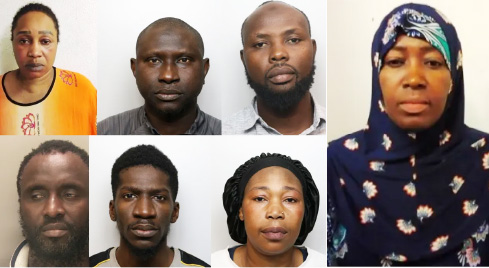
Investigation conducted by The Point has concluded that convicted Gambians in the UK over the high profile case concerning “faked visas, including doctored photos planted into biometric pages”, will not appeal their various convictions.
The convicted persons who were duly charged and prosecuted by specialist lawyers working in the Organized Crime Division of the Crown Prosecution Service (CPS) had earlier planned to appeal.
They were sentenced between a period of 2 and 12 years with one of them handed a 12-month Community Order with 60 hours of unpaid work.
However trying to ascertain the reason they failed to appeal, The Point uncovered “no formal record” indicating that the “convicted Gambians will appeal”.
Instead it was suggested that they have “admitted guilt … and acknowledged that there was no reason to appeal”.
Consequently, the CPS has confirmed that instead it is now pursuing an “asset recovery” proceeding and mechanism to regain or strip them from their ill-gotten gains estimated to be over £1 Million.
Further enquiries regarding the sudden U-turn concerning an appeal, this correspondent was informed that “yes, indeed at least two or three of them planned to appeal … however it is extremely difficult and comes with severe consequences …”
Presently, appeals against such conviction may only be made with a Certificate of the trial judge or Leave of the Court of Appeal.
The convicted persons are: Lamin Manneh, Alieu Barry, Mariama Jallow, Ida Chow, Musu Sanyang, Pa Sanneh, Sulayman Samateh and Dodou Cham.
Furthermore, an Application for Leave to Appeal must be submitted with “written reasons” within 28 days of conviction which the convicted persons are yet to file.
In addition, the authorities have indicated a more serious concern regarding fake or counterfeit passports, as it poses serious risks to “national security, immigration control and criminal justice”.
Likewise, the Identity Documents Act 2010 also makes it an offence to make, possess, use, or supply false identity documents, including passports.
Similarly, the Immigration Act 1971 and other related regulations including the Forgery and Counterfeiting Act 1981, categorically criminalize the use of false documents to enter or remain in the UK.
Even though investigators argued that during the period of January 2022 and July 2025, it was unable to ascertain the numbers of people involved, they found “images of 559 unique passports” on Manneh’s mobile phone.
He was dubbed as the “ringleader” and according to investigators, his victims were charged £5000 each.
However despite their conviction, it is maintained that the majority of Gambians living in the UK are well known as law-abiding, industrious and hard working.
Source: The Point