Barrow vows to bridge infrastructural gap in rural Gambia

Since 2017, President Adama Barrow’s administration has been on a mission to transform Gambia’s rural landscape.
Roads that were once considered “no-go areas” have begun to open up, connecting communities long trapped in isolation.
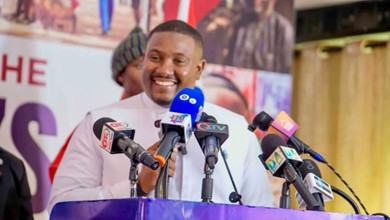
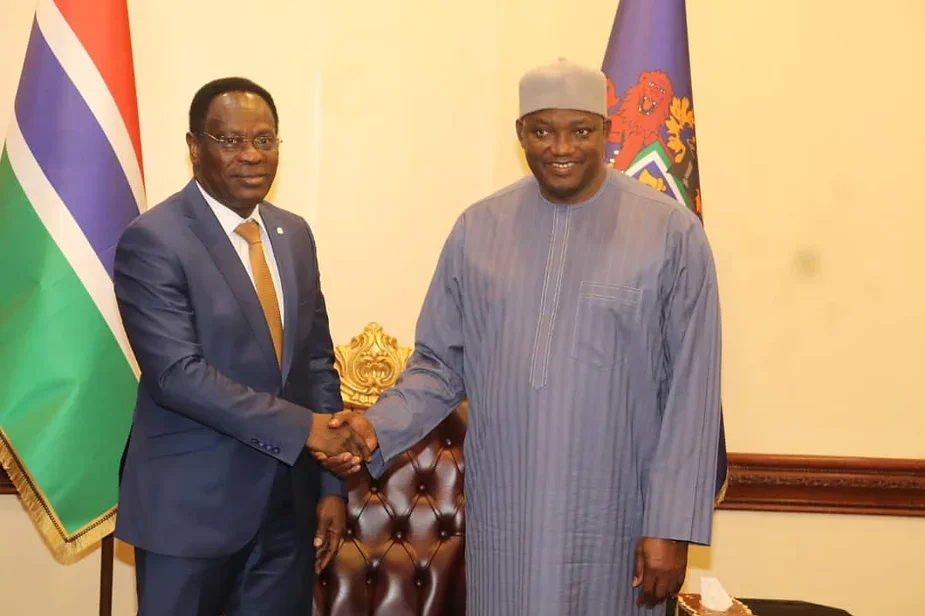
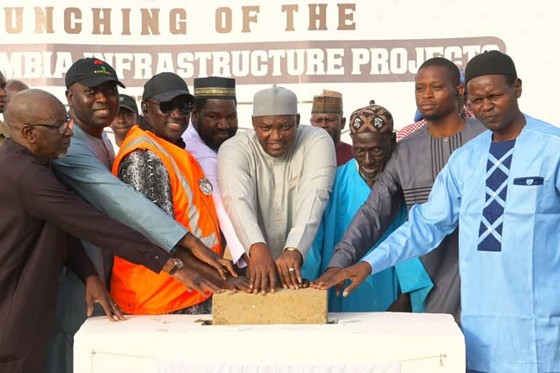
On Sunday, in Foday Kunda, Upper River Region, Barrow laid yet another foundation stone for major roads within the northern part of URR, vowing to bridge the infrastructural gap that has plagued rural Gambia since independence.
The atmosphere was electric. Villagers, chiefs, councillors, and regional leaders gathered to celebrate what many described as a turning point in their lives. For decades, poor roads, lack of electricity, and limited access to clean water defined rural hardship. Now, Barrow’s government is promising to rewrite that story.
President Barrow thanked the people for their rousing welcome, stressing that the development registered in the country has made it possible to travel to Basse for market and return within hours. He urged Gambians to maintain peace to ensure peaceful elections and continuity of progress.
President Barrow stated: “There are people who wish to create problems because they do not want the election to take place. However, we will tell them that we will hold a peaceful election, and we will defeat them in a landslide victory.”
He urged the inhabitants of the area to redouble their support for his administration, pledging to address the issues affecting them.
He highlighted the numerous developmental initiatives already implemented in the region, noting that these demonstrate his government’s commitment to progress. He emphasised that, in order to sustain this advancement, it is essential to work together and preserve national peace and stability.
He recalled the difficulties he encountered in the area during the 2016 presidential campaign. He explained that, on that day, he vowed to construct the roads in the area if he won the election — a promise he emphasised he is now fulfilling.
Local dwellers
Naffai Jabbi praised the president’s projects, noting the drastic improvements in electricity, clean water, and roads. He urged Barrow to extend electrification to villages still in darkness.
Saikouna Bajaha of Baja Kunda hailed the transformation across regions, stressing that the new road will boost trade between The Gambia and Senegal. He dismissed opposition claims that “roads are not development,” declaring: “For 50 years this road was a nightmare. Today, it is hope.”
Momodou Jallow reminded the crowd that while two past presidents failed to deliver, Barrow has brought unprecedented progress to the area, while urging inhabitants of the area to redouble their support to President Barrow and his government.
Lady Councillor Jainaba Sowe pledged unwavering support, lauding Barrow’s democratic reforms. She appealed for milling machines and gardens to empower rural women, especially communities that that are yet to benefit from his development initiatives.
Fatoumatta Saho recalled the perilous journeys on bumpy roads, where passengers doubted if they would reach their destination. She thanked Barrow for supporting women’s socio-economic development, noting that nearly every village has benefited—except one still awaiting a milling machine.
District Chief Ebrima Sorry Juwara highlighted how new roads now connect Wulli to Casamance, boosting cross-border trade.
Muhammed Ceesay, chairman of Basse Area Council, emphasised the 400km road network as a lifeline. He recalled sick villagers avoiding the main highway due to its poor state, and vehicles stranded overnight by ferry breakdowns. He assured Gambians that all eligible citizens will be registered to vote, pledging Barrow’s return to State House “legally.”
Governor Samba Bah echoed the promise of over 400km of roads covering all major routes, urging peace and stability to sustain development.
For rural dwellers, roads are more than infrastructure—they are lifelines. They connect farmers to markets, patients to hospitals, and children to schools. They open doors to trade, empower women, and bring dignity to communities long forgotten.
Source: The Point