Minister denies AG visited IEC over Talib’s presidential eligibility

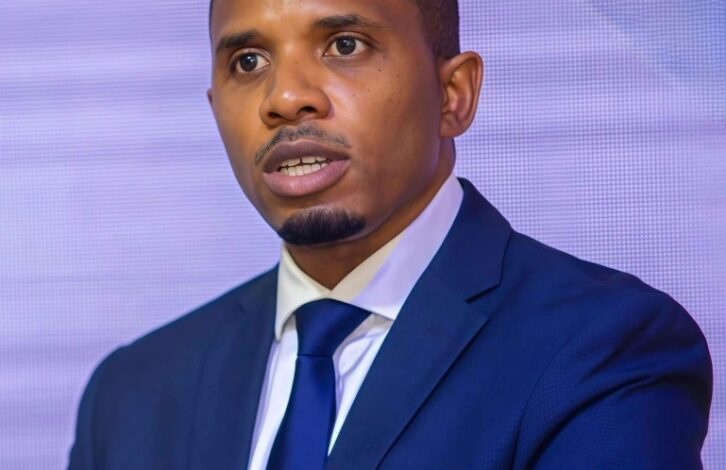
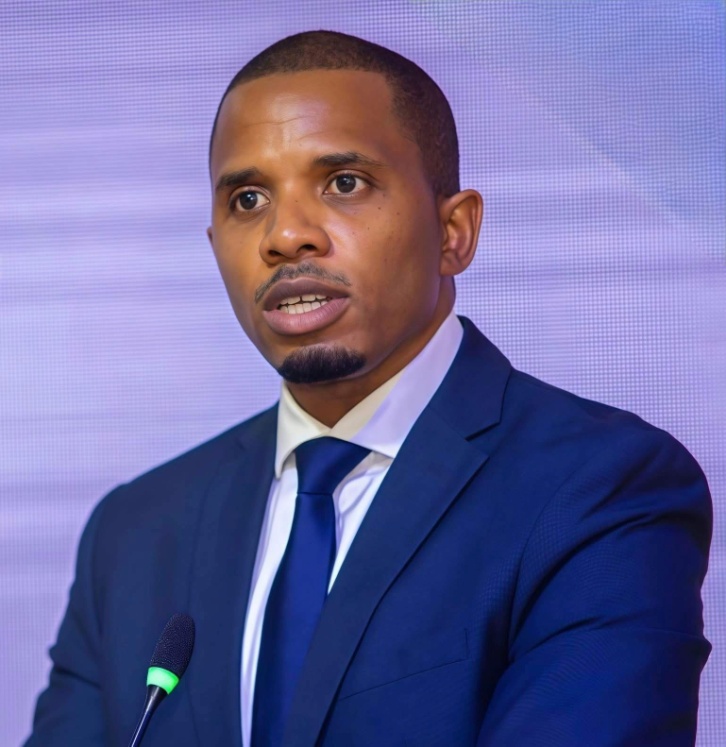
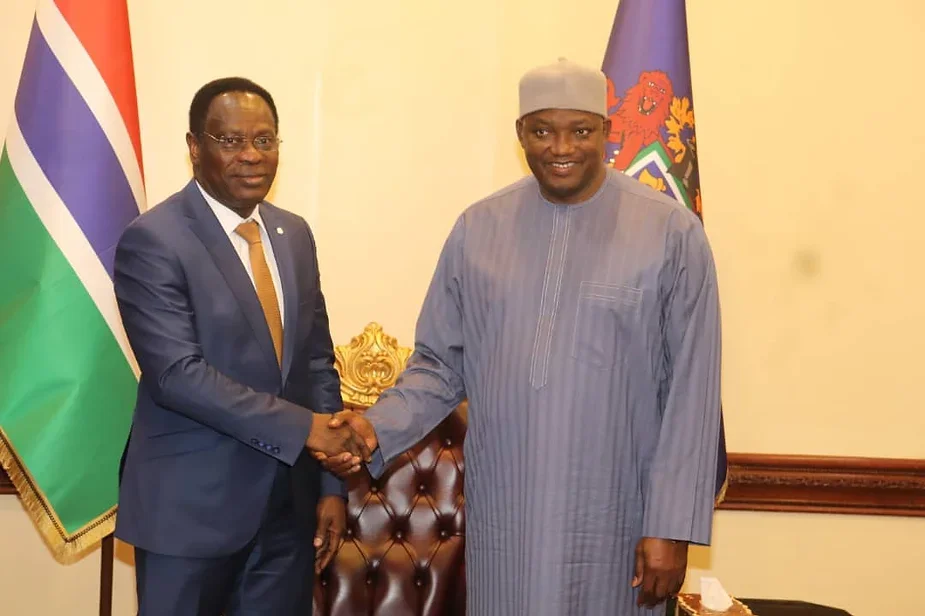
Dr Ismaila Ceesay, Minister of Information and Broadcasting, has denied allegations that Attorney General and Minister of Justice Dr Dawda Jallow visited the Independent Electoral Commission (IEC) to influence decisions concerning Talib Ahmed Bensouda’s eligibility to contest the December presidential election.
The minister described the allegations as false, insisting that Dr Jallow had not visited the electoral body since becoming Minister of Justice.
Speaking on Coffee Time with Peter Gomez, he also rejected claims that the Attorney General advised President Adama Barrow to expedite the publication of the government’s White Paper because Bensouda could challenge it in court.
He questioned how Bensouda could have knowledge of an alleged conversation between the Attorney General and the President, demanding evidence of the purported meeting.
“Who was there at that meeting? When did the meeting take place? The AG advising the President?” he asked.
The minister maintained that the alleged discussions never happened and insisted that Dr Jallow would not interfere with the country’s electoral process.
“He has not been to the IEC once since he became Minister of Justice,” he said.
He further argued that President Barrow had no interest in influencing the work of independent institutions, particularly the electoral commission, which is responsible for overseeing the country’s electoral process.
According to him, the President has allowed the IEC to operate independently and does not involve himself in its decisions.
The minister’s comments come amid controversy surrounding the government’s White Paper on the Commission of Inquiry into local government councils, which contains recommendations affecting Bensouda, the flagbearer of Coalition 2026.
Bensouda has questioned the circumstances surrounding the publication of the White Paper, suggesting that the process was rushed and politically motivated.
However, the minister insisted that the Commission was established more than two years ago, before Bensouda emerged as a presidential candidate.
He said the inquiry was established to address corruption and weaknesses in local government administration, not to target any individual.
He explained that after receiving the Commission’s report, government established a multi-sectoral committee to examine its findings and advise accordingly.
The committee’s recommendations were subsequently considered by Cabinet, which deliberated on the matter for three consecutive days before the White Paper was finalised.
The minister maintained that the government followed the constitutional process and rejected suggestions that the publication was timed to undermine Bensouda’s presidential ambitions.
Source: The Point