Nigeria: Arsene Wenger emerges as possible challenger to Gianni Infantino for FIFA presidency

By Zuleihat Owuiye, Nigeria
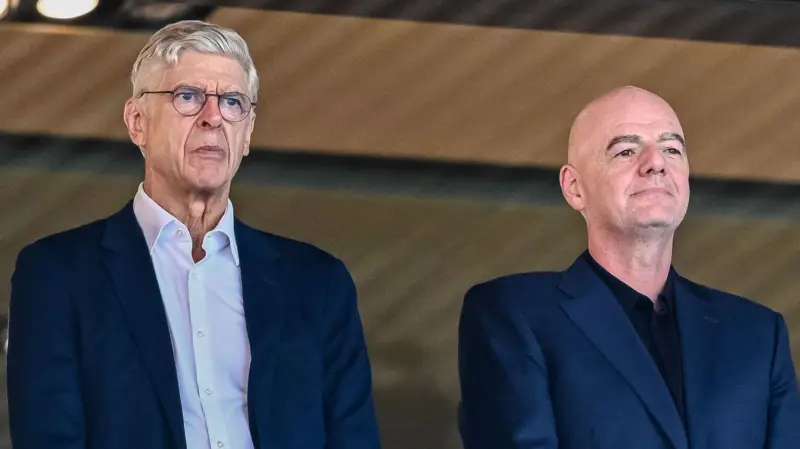
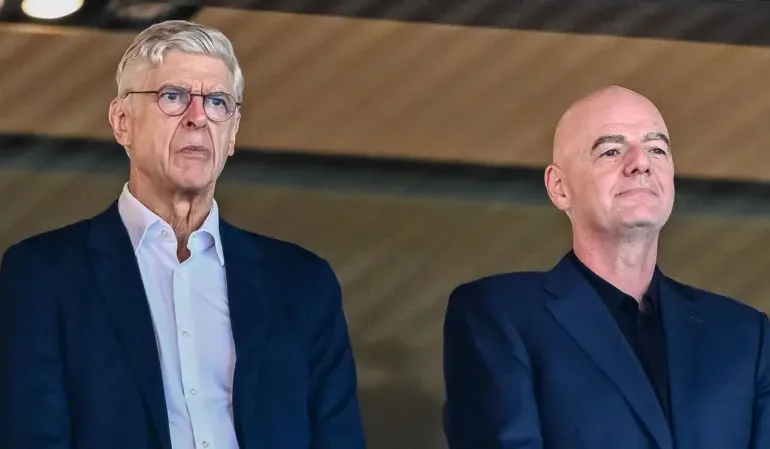
Former Arsenal manager Arsene Wenger has reportedly emerged as a potential candidate to challenge FIFA president Gianni Infantino in next year’s presidential election, amid growing criticism of the football governing body’s leadership.
Senior figures in European football are said to be encouraging Wenger to consider running for the position, believing his reputation, experience and knowledge of the game could make him a strong alternative to Infantino.
However, it remains unclear whether the 76-year-old Frenchman is prepared to challenge the man who appointed him as FIFA’s chief of global football development in 2019.
Infantino is widely expected to seek another term and could face little opposition despite mounting controversy surrounding his leadership.
The FIFA president has come under pressure following the collapse of a proposed commercial investment scheme known as FIFA Forward Enterprise (FFE), which triggered criticism from football officials across several continents.
The FIFA Council is expected to discuss the controversy, alongside governance reforms and other issues, at its meeting in Zurich.
Wenger’s possible candidacy has attracted attention because of his standing in world football and his experience working within FIFA.
The Frenchman spent 22 years managing Arsenal, becoming one of the club’s most successful managers before leaving in 2018. He subsequently joined FIFA to oversee global football development.
Although there is no confirmed indication that Wenger intends to contest the presidency, some football figures believe he could unite people seeking changes in the organisation.
Alex Phillips, a former UEFA and FIFA executive, said Wenger could help restore football development and the sport itself to the centre of FIFA’s priorities.
Phillips argued that the organisation had become too focused on financial matters at the expense of football.
A senior official from a European national football association also backed Wenger’s potential candidacy, pointing to his understanding of development programmes and his reputation beyond Europe.
His previous work in Japan and his long involvement in the game are believed to have earned him respect in different parts of the world.
Supporters believe those relationships could prove important if opposition to Infantino is to develop into a serious electoral challenge.
One person close to Wenger described him as an ideal candidate but stressed that he would make his own decision.
Despite the backlash over the abandoned FFE proposal, Infantino is still considered the leading contender for re-election.
His support among football associations in Africa, South America and Oceania is seen as a major advantage, even as criticism of his leadership grows elsewhere.
Infantino recently secured the backing of all 54 African national football associations after promising increased funding for the continent.
FIFA is also expected to propose an additional $3.4 billion in funding for football development, a move that could help strengthen his position among member associations.
Meanwhile, potential challengers such as UEFA president Aleksander Ceferin and CONCACAF president Victor Montagliani have indicated that they are not planning to contest the election.
Former Tottenham defender Ramon Vega is currently the only person reported to have declared an intention to run, although his chances of winning are considered limited.
The absence of a widely supported alternative has left Wenger’s name attracting attention among those hoping for a change in FIFA’s leadership.
The former Arsenal manager, who has generally maintained a close working relationship with Infantino, said he had not been involved in developing the proposal and only learned about it through media reports.
He also supported the decision to withdraw the plan, stressing the importance of transparency and independence within the organisation.
“I was not involved in this strategic plan and first became aware of the project through media reports,” Wenger said in a statement.
He added that withdrawing the proposal was necessary and emphasised his belief in an independent FIFA that serves football with commitment, transparency and integrity.
His comments raised questions about his relationship with Infantino and whether he would eventually distance himself further from the president.
Some observers expected Wenger to leave his position following the controversy. However, he has remained in office and continues to oversee youth development programmes involving academies in about 60 countries, as well as international youth competitions.
He also serves as a technical adviser to the International Football Association Board, the body responsible for determining the laws of football.
Wenger’s supporters believe his record of promoting young players and developing football talent could help him gain support across different regions.
During his time at Arsenal, he was widely recognised for giving opportunities to African footballers and introducing new approaches to tactics, nutrition and player development.
His support for expanding the World Cup to 48 teams has also been welcomed by those who believe more countries should have opportunities to compete at the highest level.
During a recent visit to Cape Verde for a Confederation of African Football conference, Wenger expressed his ambition to see an African country win the World Cup.
“We want to see an African team win the World Cup, and the numbers show that it is feasible,” he told delegates.
Such views could strengthen his appeal among African football officials if he decides to enter the race.
According to the BBC, some FIFA staff members also believe Wenger could improve the organisation’s public image and bring a renewed focus to football development
One figure familiar with the organisation’s internal politics expressed doubts about whether the Frenchman would be willing to challenge Infantino, particularly because the current president gave him his position.
The source also questioned whether Wenger had the political experience and relationships needed to build a winning coalition among FIFA’s 211 member associations.
Another senior European official acknowledged Wenger’s stature but questioned whether he represented the future of football administration.
The official suggested that Wenger could potentially serve a single term focused on introducing reforms, while noting that his willingness to break with Infantino remained uncertain.
Beyond his reputation, winning the election would require Wenger to secure the necessary support from football associations across the world.
Under the reported election requirements, candidates must be nominated by at least five member associations and declare their candidacy by 18 November.
His possible entry into the race nevertheless presents an intriguing prospect: the former Arsenal manager, celebrated for changing English football, could yet be considered for a role that would allow him to influence the future direction of the global game.