Nigeria: Black July in Benue South: A month of massacres turns farming communities into fields of fear

By Zuleihat Owuiye, Nigeria
For generations, Benue South has been known for resilience, culture, and farming. It feeds families and markets across Nigeria.
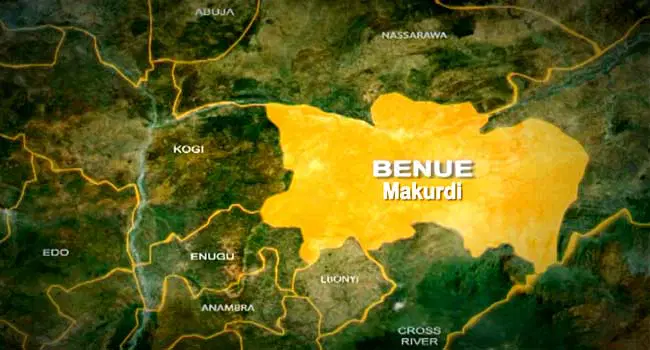
Today, the harvest songs have been replaced by gunfire. In the last month, villages across Otukpo, Ohimini, Okpokwu, Kwande, Katsina-Ala, and Guma LGAs have come under repeated attacks by suspected armed herders. Residents call it one of the darkest periods in the zone’s history.
Community leaders say the violence took a deadlier turn after June 26, 2026, when the Benue State Chairman of Miyetti Allah Cattle Breeders Association, Ardo Risku Muhammad, and his associate Yakubu Isah were ambushed and killed at Okudu village in Otukpo LGA while returning from a peace mission in Ohimini.
The killings, widely condemned, appear to have triggered another cycle of bloodshed. Since then, attacks have come almost weekly, targeting farmers, traders, clerics, academics, women, children, and travelers.
July opened with violence. On July 1, gunmen reportedly attacked Sai community in Katsina-Ala, killing at least 10 people and injuring more than 15.
On July 2, armed cattle rustlers attacked Okpafie in Okpokwu, killing a ranch owner and a vigilante member and making away with nearly 50 cattle.
On July 4, a two-day assault in Kwande LGA left four people dead and at least 10 injured. Farmers and travelers were among the victims.
The attacks cut across society. On July 9, Professor Gabriel Nyityo, a renowned historian and former Head of History at Benue State University, was reportedly killed at his home on the outskirts of Makurdi. Earlier, former SSG Professor David Salifu was allegedly ambushed along the Wukari-Joota Road.
Religious leaders were not spared. Rev. Dr. Samuel Gbinde, Senior Pastor of NKST Church, was abducted alongside two congregants in Guma LGA.
Benue South recorded some of its deadliest incidents mid-month. On July 11, suspected herdsmen killed two farmers in Akpachi village, Ugboju. Less than 24 hours later, at about 4am, they invaded Otukpo-Nobi community, killing at least 16 people.
“We woke up to the sound of gunfire. People ran in different directions, but many never made it. By sunrise, our community had become a place of mourning,” a survivor said.
On July 14, Ondo community in Ugboju lost one person, with houses abandoned as residents fled. On July 16, Ankpechi in Ohimini was attacked, with one person shot and shops looted.
On July 19, three siblings traveling from Abuja with their late mother’s body were abducted along the Ogobia-Otukpo Road. They were on their way to Okpokwu for burial when gunmen intercepted them between Omutele and Ankpechi.
Violence continued. On July 21, Sai community in Katsina-Ala was attacked again, with at least 10 killed. Governor Hyacinth Alia ordered security agencies to track the perpetrators. On July 22, a 15-year-old boy was killed in Olahimu village, Otukpo, and cattle were rustled.
On July 27, attacks in Ohimini and Ukum claimed four lives, including a mother, with several children sustaining machete injuries. On July 28, separate attacks in Otukpo and Kwande killed no fewer than 16 people. Motorcycles belonging to fleeing farmers were also taken.
The toll goes beyond figures. Entire villages have been deserted. Farms are untended. Markets are empty. Families now sleep in churches, schools, and makeshift camps in neighboring towns.
“A community leader in Otukpo summed up the mood: “People no longer think about harvest. Every day is about survival. We don’t know who will be attacked next or which village will be invaded.”
James Abah, a resident of one of the affected communities, said: “We no longer know what tomorrow holds. We only pray every night that our village will not be the next to be attacked.”
Secretary of CERON, Francis Odiir, noted the widening scope: “When professors, pastors, farmers and ordinary villagers are all targets, it means nobody can truly say they are safe.”
Traditional rulers, community leaders, and religious groups have appealed to the Federal Government to deploy more troops, improve intelligence, and prosecute attackers.
Security experts say military action alone won’t be enough. They argue for dialogue, justice for victims, and measures to address the root causes of the conflict. Without that, they warn, the humanitarian and economic crisis will deepen.
For now, Benue South, once a food basket, is living in fear. As mourning continues, the loudest demand across the battered communities is simple: peace. Until the killings stop and displaced families can return to their farms, the region’s story will remain one of loss.