IEC DECLARES TOTAL INDEPENDENCE IN CONDUCTING ELECTIONS

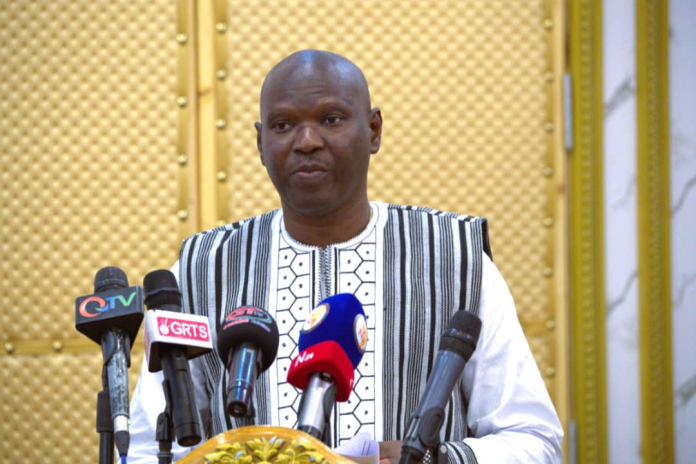
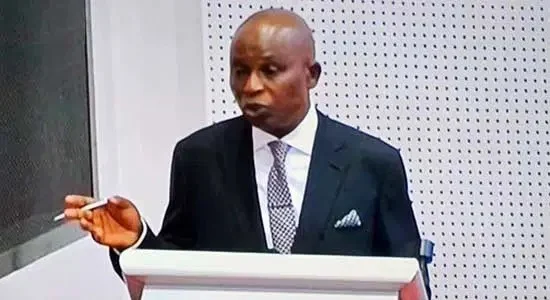
Joseph Colley, the chairman of the Independence Electoral Commission (IEC) yesterday declared that the Commission is not under any external influence in its mandate to conduct credible, free, fair, transparent and inclusive elections.
Chairman Colley made these remarks during the official launch of the National Election Response Group (NERG) at Bakadaji Hotel.
According to Chairman Colley, the IEC bears a constitutional and legal responsibility to ensure that all eligible Gambians are enfranchised, that all processes to procure and protect the franchise are managed openly and transparently according to the law.
He added that any reasonable requests from the public that do not adversely impact the process and substance of the franchise will be favourably considered and granted by the IEC as the matters.
“The IEC is not under the control and direction of any authority or any institution,” he assured.
He also expressed delight to be part of NARC, and pledged that the IEC will always be part of NERG too. “I pledge that the commission is adhering to its motto, to conduct free, fair, transparent, credible, and inclusive elections,” he told the gathering.
The National Election Response Group (NERG) is established with the primary objective of discussing, developing, and recommending response strategies to address violent threats associated with the 2026-2027 electoral cycle in The Gambia.
The body serves as a platform for sharing information on the impact and progress of the National Early Warning System (NEWS) in promoting peaceful, credible, and inclusive elections.
The operationalisation of the group is led by WANEP-The Gambia, and comprises eminent representatives from relevant state and non-state institutions.
The NERG is intended to complement the Government’s efforts in the prevention, mitigation, and timely response to electoral violence before, during, and after the elections.
The initiative forms part of the Electoral Violence Monitoring, Analysis and Mitigation (E-MAM) project, funded by the European Union.
The project aims to contribute to the mitigation of electoral violence through the implementation of electoral violence prevention and mitigation mechanisms in twelve (12) West African countries: Benin, Burkina Faso, Côte d’Ivoire, The Gambia, Ghana, Guinea, Guinea-Bissau, Liberia, Mali, Niger, Senegal, and Togo.
Also peaking at the event, Immaculada Roca i Cortés, the EU Ambassador to The Gambia, said the EU is proud to support The Gambia’s democratic process and its efforts to ensure peaceful, credible and inclusive elections.
“Our support is impartial and focused on one goal: helping to ensure a peaceful, transparent and credible electoral process that reflects the will of the Gambian people,” the EU ambassador said .
Mrs Levinia Addae Mensah, WANEP’s regional executive director, said the event was an important milestone for his organisation and the collective efforts to safeguard peace, strengthen democratic governance and promote peaceful electoral processes in The Gambia.
“At WANEP, our belief is that the true measure of democracy not simply whether elections are held, but whether they are conducted in a manner that inspires confidence, protects rights, respects institutions and preserves peace. So as The Gambia prepares for the presidential election on 5 December 2026, we know that this is within a context of significant political interest given the political history of The Gambia, and also, the heightened public expectation.”
Sering Mamadou Ka, the Head of Electoral Assistance Division at Ecowas, said the meeting is a tradition that they fulfill with WANEP every time there is an election in a member country.
Source: The Standard