Nigeria: Rising costs push Nigerians toward locally made clothes

By Zuleihat Owuiye, Mamos Nigeria
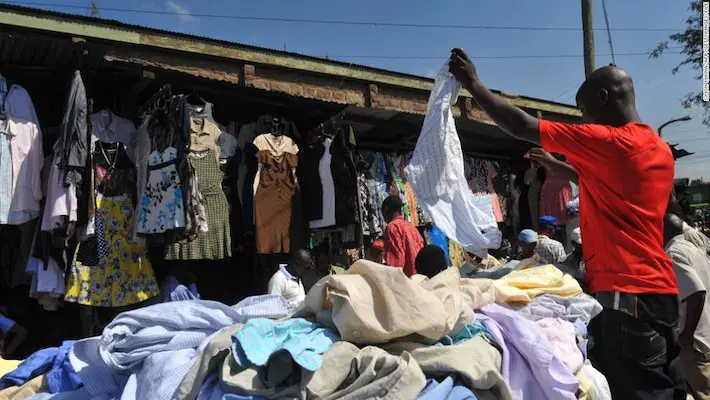
For years, foreign-made clothes, shoes, and bags from Turkey and the US dominated fashion choices, especially among women seeking Western styles. Those who couldn’t afford new imports often chose okrika. Nigerian-made garments were largely overlooked.
That trend is shifting. Economy&Lifestyle found that many Nigerians now prefer local wears as maintaining a foreign-made wardrobe becomes unaffordable.
Mrs. Adanna Nnamdi, who sells locally made clothes in Onitsha, said demand has grown. “It is before you see people buying foreign made clothes. Now people prefer locally made clothes. Our Nigerian wears now have higher quality than it used to be before.”
She noted that shoes are also included in the shift. Most of her stock comes from manufacturers in Aba and Onitsha. “Look at this skirt and blouse. Can you tell it is Nigerian made? That is the quality I am talking about,” she said. “Many retail and wholesale clothes sellers buy from me to resell. And they come almost every two weeks because of the high patronage.”
Consumers cite both cost and improved quality. Mrs. Lovelyn Shaman, a banker, said she was a “lover of women foreign made clothes” but recently switched. She changed her mind after admiring a colleague’s outfit. “I asked her who the designer was and she told me it was Nigerian made. I was shocked,” she said. “Looking at the quality of the fabric and the finishing. The next shock was the price which is ten times cheaper than a gown I wear.” Shaman said her salary could no longer cover her clothing budget. “Now, I am glad I am wearing Nigerian made clothes.”
Mr. Kingsley Aidelogie, a footwear seller, had a similar experience. “While I was in the higher institution, most of my clothes were designer. I spent most of my upkeep allowance on these designer clothes,” he said. After graduating and starting work, he found the lifestyle unsustainable. “Okrika was no alternative because despite being used, it is now expensive.” He discovered neatly sewn local readymade shirts and trousers in the market. “I was told it was Nigerian made. But I doubted such claims because of the quality of the materials used and the flawless finishing. That was how I became a lover of locally made Nigerian clothes. They are cheap, comfortable and have good quality.”
Retailers are adjusting to demand. Mrs. Ujunwa Momodu, who sells women’s clothes, said sales of foreign ready-made wears had dropped. “Then I did a market research and I found out women are going for Nigerian ready made clothes including native attires,” she said. She restocked with more local wears and advertised the change outside her shop. “In two weeks customer patronage grew. People are now valuing what was abandoned all for the sake of cutting costs.”