US: Tensions rise as Trump orders US navy to block key oil route

By Zuleihat Owuiye, Mamos Nigeria
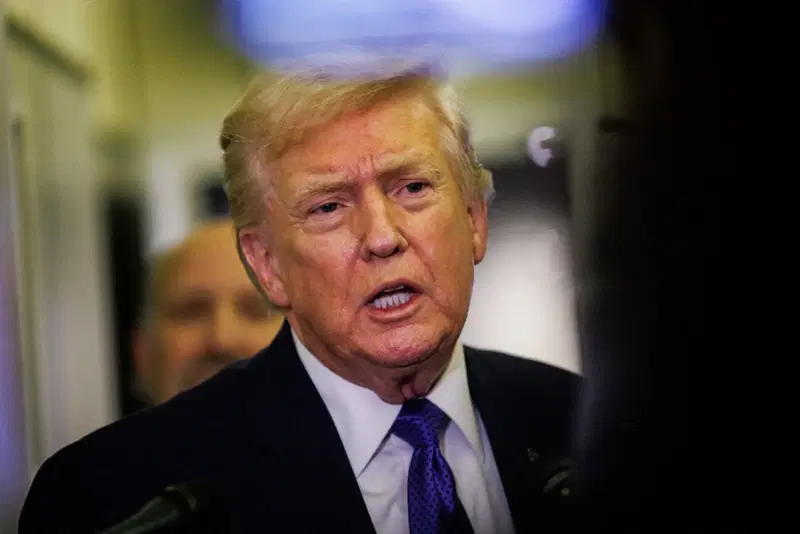
A fresh wave of tension has emerged in global politics after Donald Trump announced a major military move involving one of the world’s most critical shipping routes — the Strait of Hormuz.
The decision came shortly after high-stakes peace talks between the United States and Iran ended without a breakthrough. Despite describing the discussions in Islamabad as productive in many areas, Trump made it clear that Iran’s refusal to step back from its nuclear ambitions remained a major sticking point.
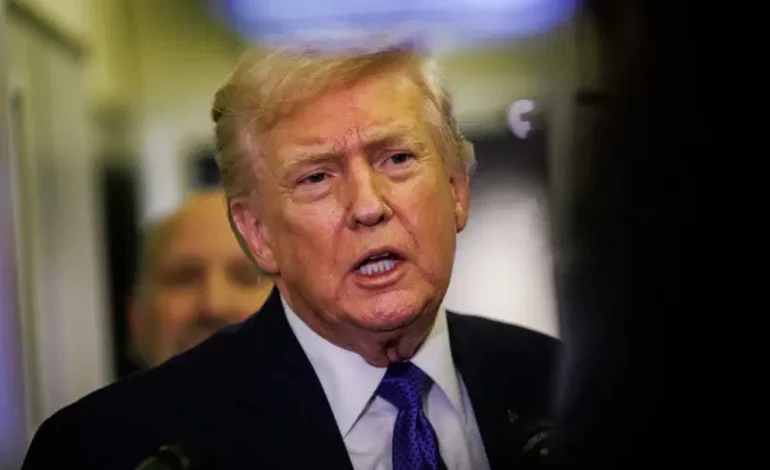
In a strongly worded statement, Trump directed the US Navy to begin blocking any ships attempting to enter or exit the Strait immediately. He also issued a stern warning, saying any hostile action from Iran would be met with overwhelming force.
The talks were led on the US side by Vice President JD Vance, who left Pakistan without securing an agreement. Iran’s delegation was headed by senior figures including parliamentary speaker Mohammad Bagher Ghalibaf and Foreign Minister Abbas Araghchi.
Vance described the US position as a final offer, expressing hope that Iran might still reconsider.
The situation has been further complicated by ongoing military tensions. For weeks, Iran has effectively restricted movement through the Strait, a vital passage responsible for transporting a significant portion of the world’s oil supply. This disruption follows a series of military actions involving the United States and Israel against Iranian targets.
Adding to the pressure, US warships recently entered the area to begin clearing suspected naval mines — a move that signals the seriousness of the unfolding situation.
With both sides standing firm, the developments raise concerns about global trade, energy supplies, and the possibility of further escalation in an already fragile region.