POLICY ADVISORY NOTE: THE GREEN GOLD

By Neneh Bojang
For over a century, The Gambia’s agrarian identity has been shackled to groundnuts; a colonial relic that enriched European confectionary giants like Cadbury and Nestle while leaving local farmers trapped in cyclical poverty. Climate change has exacerbated this crisis, with erratic rainfall and droughts slashing groundnut yields by over 50% in some regions, leaving farmers like Hamadi Jallow in the Central River Region with “nothing to show for their labor” . Despite government efforts to distribute drought-resistant seeds and mechanize farming, groundnut revenues continue to plummet, projected to decline by 11% by 2040 . This stagnation reflects a systemic failure: clinging to a cash crop that no longer serves Gambians. As economist, Iargue that, the solution lies not in doubling down on outdated practices but in embracing a bold alternative; medicinal marijuana cultivation; a “green gold” that could revolutionize the agrarian economy .
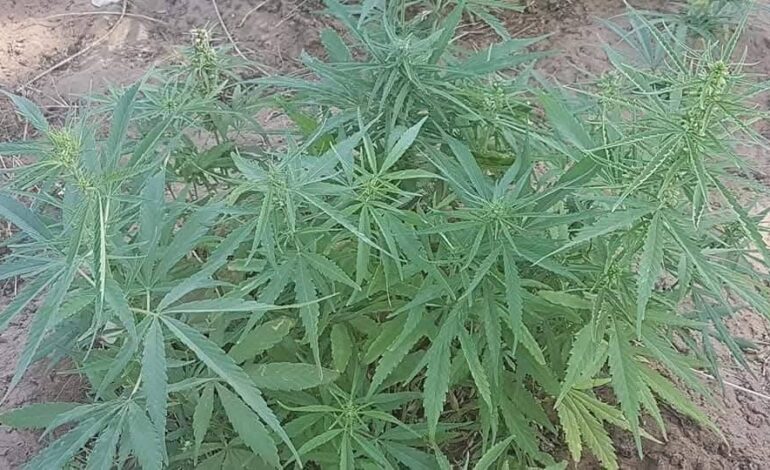
The potential of medicinal cannabis is staggering. Unlike groundnuts, which require vast tonnages to generate modest returns, a single kilogram of high-grade medicinal marijuana can fetch $3,500 on the global pharmaceutical market . Greenhouse farming, will offer year-round cultivation under strict supervision, eliminating reliance on erratic rains and transforming subsistence farming into a high-value export industry . Countries like Lesotho and South Africa have already capitalized on this shift, legalizing regulated cannabis production to boost tax revenues and rural livelihoods . The Gambia’s proximity to Europe; a major pharmaceutical hub; grants it a logistical advantage to export harvests within hours, ensuring farmers receive prompt, lucrative payments . Critics cite concerns about local abuse, but controlled cultivation for medical purposes, as seen in regulated markets, minimizes diversion risks. Farmers incentivized by international prices would have little reason to sell locally at a fraction of the profit .
Overcoming stigma is the final hurdle. The Gambia’s archaic drug laws, rooted in colonial-era prohibition, conflate medicinal cannabis with recreational “Jamba,” ignoring its pharmaceutical potential . Yet global trends are clear: 11 African nations now permit medical cannabis cultivation, recognizing its role in economic diversification and therapeutic innovation . A regulated shift would not only uplift farmers but also fund critical infrastructure; schools, clinics, and climate-resilient agriculture; breaking the cycle of dependency. I insists, this is not about liberalism but pragmatism: “Start greenhouse farming under strict control and a farmer can take his child to university”. The choice is stark: cling to a failing colonial crop or seize a $3500/kg lifeline. Let February 18 be a day of reckoning; a call to trade peanuts for progress and dignity.