Nigeria: EndSARS: Former minister says troops fired blank bullets at Lekki Tollgate


By Zuleihat Owuiye, Mamos Nigeria
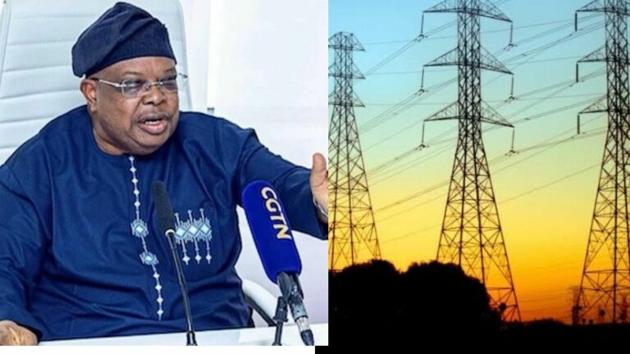
Lagos – Former Minister of Information Lai Mohammed reiterated on Monday that Nigerian soldiers deployed to the Lekki Tollgate during the October 2020 #EndSARS protests were issued blank ammunition and that no massacre occurred there. Speaking on Channels Television’s _Sunrise Daily_, Mohammed defended the Federal Government’s position under the Buhari administration, acknowledging that casualties were recorded elsewhere in the country but insisting the tollgate was not a scene of mass killing.
“The Federal Government has never said there were no casualties during EndSARS; there were casualties,” Mohammed said. “Thirty‑seven policemen and six soldiers lost their lives. We reported those deaths, but we maintain that there was no massacre at Lekki.” He added that the claim of a massacre is “the only massacre in the world where there are no bodies” and criticized CNN for relying on “poorly sourced stories” without being present at the site.
Mohammed’s comments contrast with the findings of the Lagos State Judicial Panel of Inquiry, which described the Lekki incident as a massacre. The panel concluded that army officers fired live bullets at unarmed, peaceful protesters who were waving the Nigerian flag and singing the national anthem, an act it said could be characterized as a massacre.
The former minister said he studied the panel’s report and maintained regular contact with the Chief of Army Staff and the Chief of Defence Staff throughout the operation. “I was continually in touch with the military leadership,” he asserted, adding that his view is based on that information.
The debate over what happened at Lekki remains a flashpoint five years after the protests, with commemorative rallies still held each year. While some anti‑SARS activists continue to allege that soldiers shot and killed demonstrators, the Buhari government has consistently denied the accusations, framing the use of blank bullets as a measure to disperse crowds without lethal force.
The article reflects the ongoing dispute between the government’s account and the findings of the state‑appointed panel, highlighting the differing narratives that continue to shape public memory of the #EndSARS movement.