Nigeria: Ebola: NCDC tracks 53 contacts, directs hospitals to isolate suspected cases immediately

By Zuleihat Owuiye, Nigeria
The Nigeria Centre for Disease Control and Prevention (NCDC) has placed 53 contacts of Nigeria’s confirmed Ebola case under close monitoring and ordered hospitals across the country to immediately isolate suspected cases without waiting for laboratory confirmation.
The directive was issued by the Director-General of the NCDC, Dr. Jide Idris, as part of intensified efforts to contain the outbreak after a case of Ebola Disease caused by the Bundibugyo virus was confirmed in the Federal Capital Territory (FCT) on October 20, 2026.
According to the NCDC’s Ebola Disease Situation Report dated October 24, the patient, a 42-year-old woman, is showing remarkable improvement while receiving care in isolation.
The 53 contacts identified include healthcare workers, domestic staff and the patient’s spouse. The agency said they have been categorised based on their level of exposure and are being followed up daily, with monitoring to continue for 21 days after their last possible exposure.
Dr. Idris said contact tracing remains the most critical pillar of the current response, as public health teams race to identify and monitor everyone who may have been exposed to the confirmed case
In a strong warning to health facilities, the NCDC boss said hospitals must not wait for laboratory confirmation before taking precautionary measures when Ebola is suspected.
“Any suspected case must be promptly separated from other patients and reported to the relevant public health authorities. Healthcare workers should not wait for laboratory confirmation before taking appropriate precautions,” Idris said.
He stressed that early identification, strict infection prevention and control, and protection of healthcare workers are essential to preventing further transmission.
“Protecting healthcare workers is essential to protecting the communities they serve,” he added.
He noted that the detection of the current case demonstrates the value of the surveillance systems Nigeria has strengthened over the years, particularly since the 2014 Ebola outbreak.
“The detection of this case demonstrates the importance of the surveillance systems we have continued to strengthen over the years,” Idris said.
According to the situation report, the woman had returned to Nigeria from Uganda via Addis Ababa on October 3. She developed symptoms on October 7, four days after arrival, including fever, diarrhoea, generalised body aches and sore throat.
She first presented at a private health facility on October 10 and was admitted to another private facility on October 11. The NCDC was formally notified on October 19, and laboratory testing confirmed the Bundibugyo strain of Ebola the following day, October 20.
The report noted that no bleeding was observed in the patient, which is consistent with some presentations of the Bundibugyo virus.
Following confirmation, the NCDC activated its National Incident Management System at the highest level. Response activities are being coordinated through the Emergency Operations Centre (EOC) in collaboration with the Federal Ministry of Health and Social Welfare, FCT health authorities and development partners.
The response covers surveillance, contact tracing, laboratory investigation, infection prevention and control, risk communication, case management and measures to strengthen preparedness across health facilities nationwide.
The agency directed all hospitals to maintain effective screening and triage systems at all entry points, promptly separate suspected cases from other patients, notify relevant public health authorities immediately, and strictly apply infection prevention measures.
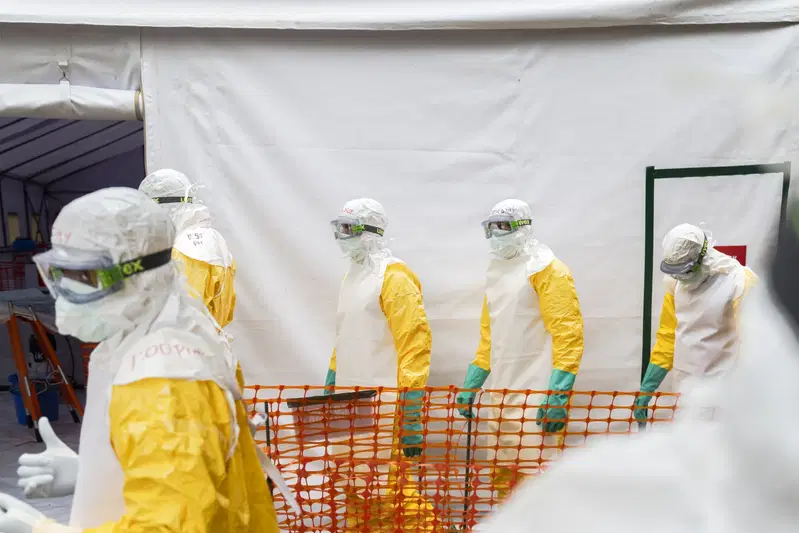
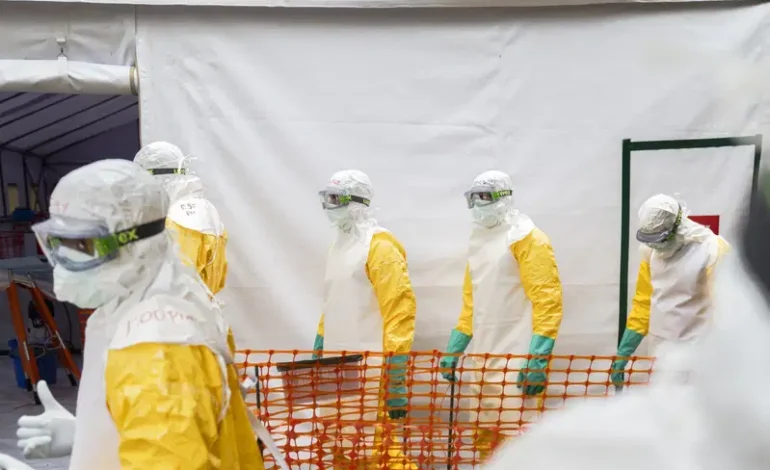
These measures include hand hygiene, environmental cleaning, injection safety, safe handling of sharps, proper waste segregation and management, and appropriate use of personal protective equipment (PPE).
The NCDC warned that delays in isolating suspected cases could expose other patients, caregivers and health workers before an infection is recognised
In a related development, a suspected Ebola case reported in Rivers State on October 23 has tested negative, according to the NCDC situation report. While the alert did not result in an additional confirmed case, the agency said surveillance and investigation of all alerts remain a crucial part of the containment strategy.
As part of the laboratory investigation, genomic sequencing of the confirmed case was completed by the NCDC National Reference Laboratory and the African Centre of Excellence for Genomics of Infectious Diseases (ACEGID). The sequencing is expected to help trace the origin of the virus and support response efforts.
The NCDC also appealed for public cooperation and warned against stigmatisation of contacts and the spread of misinformation.
“Being identified as a contact does not mean that you have Ebola,” Idris clarified, urging contacts to cooperate with surveillance officers and adhere to monitoring protocols.
He warned that false information could undermine containment by creating panic and discouraging people from reporting symptoms early.
“False information can create fear, discourage people from reporting symptoms and undermine the cooperation essential to stopping transmission,” he said.
Dr. Idris recalled Nigeria’s successful containment of the 2014 Ebola outbreak, noting that lessons from that experience are guiding the current response.
The agency urged the public to rely only on official information from the NCDC and Federal Ministry of Health, practice regular hand hygiene, and report any suspected symptoms through state health authorities.
The NCDC maintained that prompt reporting, effective surveillance, timely isolation and strict adherence to infection prevention measures remain central to containing the outbreak and preventing further spread.