Nigeria: Lydia Forson urges Ghanaians to protect local culture and identity

By Zuleihat Owuiye, Nigeria
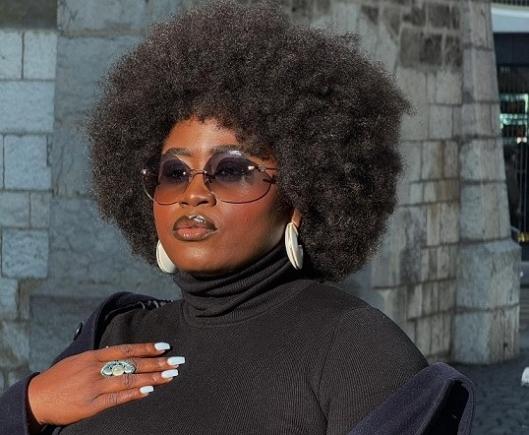
Ghanaian actress Lydia Forson has raised concerns about what she sees as a growing habit among Ghanaians of replacing local names, expressions and cultural references with foreign alternatives.
The actress argued that seemingly simple changes in everyday language could gradually contribute to the loss of aspects of Ghanaian cultural identity if people do not make conscious efforts to preserve them.
In a social media post, Lydia pointed to the increasing use of the term “puff puff” instead of Ghana’s “bofrot” as one example. She also mentioned the use of “Ankara” to describe “ntoma”.
“You might think it’s a small thing, but it doesn’t stop with food. We’re even calling ntoma Ankara now. But that’s how we slowly erase who we are,” she said.
Lydia, who has frequently spoken about the importance of embracing Ghanaian culture, said the issue was particularly significant at a time when the country is also dealing with concerns about the preservation of indigenous languages and traditions.
She acknowledged that languages and cultures naturally change over time and stressed that appreciating other cultures should not prevent Ghanaians from maintaining their own heritage.
“Look, I know language and culture evolve, and I also have no issues with other cultures. In fact, I love and appreciate them. What would there be to appreciate if they were the same as us?” she said.
The actress questioned why Ghanaians could sometimes be quick to adopt foreign names, trends and products while showing less enthusiasm for things that originated locally.
“I want to know: why are we so quick to set aside what is ours? Why don’t we appreciate our own?” she asked.
According to Lydia, the trend extends beyond language and food and can be seen in areas such as music, drinks and other aspects of everyday life.
She expressed concern that some Ghanaians appear more enthusiastic about promoting foreign products and cultural influences than supporting their own.
The actress also criticised what she described as a contradiction involving some leaders who encourage citizens to promote Ghanaian culture and local products while allegedly participating in the same behaviour they discourage.
“What makes it more frustrating is that even some of our leaders do this, then turn around and tell us to be proud of Ghana, support Ghana and promote Ghana,” she said.
For Lydia, the debate is not simply about the words people use for everyday items. She believes the repeated replacement of local expressions could influence how younger generations view and understand their cultural heritage.
“How do we expect people to value our culture if we keep treating it as something to replace?” she asked.
The actress connected her views to her work with Kinky Matters, a brand she said was partly inspired by her desire to preserve elements of Ghanaian identity while remaining open to influences from around the world.
She described Kinky Matters as being about more than products and said the idea also led to the creation of the Kinky Experience, which she established as another platform for celebrating Ghanaian culture.
“I’m determined to hold on to as much of us through whatever means possible while adapting and appreciating the world around us,” Lydia said.
She, however, clarified that her comments were not intended as criticism of other countries or cultures.
According to the actress, Ghanaians can appreciate cultures from around the world while simultaneously protecting and promoting their own.
“Again, this isn’t against other cultures or countries. We can appreciate others and hold on to ours,” she stated.