Gambia spends over D3bn on debt interest in six months

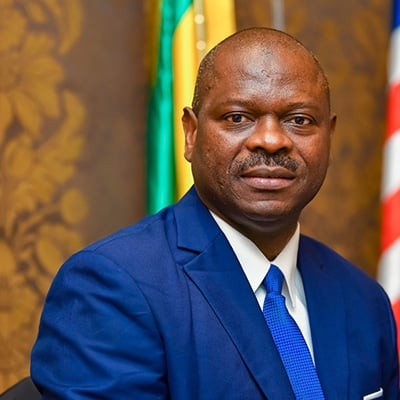
The Gambia spent D3.10 billion on interest payments for its debt during the first six months of 2026, with the cost rising by 18% compared to the same period last year, Finance Minister Seedy Keita has disclosed before parliament on Monday.
The figure represents 45% of the amount government had budgeted for debt interest for the whole of 2026, according to the Mid-Year FY2026 Budget Performance Brief presented by the minister.
“Debt Interest expenditures grew by 18% to reach GMD3.10 billion representing 45% of the annual budgeted amount,” Minister Keita said.
The increase in debt interest was recorded as government’s total expenditure and net lending also rose by 6%, reaching D15.42 billion during the period under review.
This means that of every D100 government spent during the first half of the year, a significant portion went towards paying interest on existing debt.
Other government expenditures increased by 4% to D12.32 billion, representing 42% of the annual amount budgeted for such spending.
The government’s revenue also recorded growth during the period. Total revenue, excluding project grants, stood at D15.35 billion between January and June 2026, an 8% increase over the D14.24 billion recorded during the same period in 2025.
Tax revenue accounted for D13.36 billion of the revenue collected, increasing by 8% compared to the first half of 2025.
However, government spending remained slightly higher than revenue, resulting in a gross deficit of D68.86 million. The minister said this was consistent with the budgeted figure.
Minister Keita said the increase in revenue was supported by improvements in tax collection and ongoing reforms, including digitalisation initiatives.
Direct tax revenue reached D4.29 billion, while indirect tax revenue stood at D9.06 billion.
The minister said stronger collections were recorded from Corporate Income Tax, Personal Income Tax, Rental Income Tax, Domestic VAT, Customs Processing Fees and Import VAT on non-oil items.
He also cited measures such as the Rental Tax Solution, increased tax audits, the digital weighbridge, improved valuations and post-clearance audits as contributing to improved tax administration and revenue collection.
The mid-year budget review covers government’s financial performance from January 1 to June 30, 2026, with a focus on revenue mobilisation, spending and deficit financing.
Source: The Point