We Do Not Lack Political Role Models

By Ndey Jobarteh
Political trust must be measured by sacrifice consistency and a record that has stood the test of time
The announcement that APP Sobeyaa has reached an agreement in principle with President Adama Barrow’s National People’s Party has left many Gambians disappointed. Across social media and private conversations, the same painful questions are being asked: Who can we trust? Can Gambian politicians ever be trusted?
I understand this disappointment. When a political party presents itself as an alternative, speaks the language of reform and asks citizens to believe that another kind of politics is possible, people invest more than their votes. They invest their hope. When that party then moves towards the government it had positioned itself against, without first explaining the terms, safeguards or compromises involved, supporters may reasonably feel abandoned.
But our disappointment must not lead us to erase our own political history. It is simply not true that The Gambia lacks trustworthy political role models, or that we have no yardstick by which to judge political conduct. We have parties and leaders whose principles have been tested over decades.
1. Trust is proved over time
Trust in politics should never be based only on speeches, popularity or the excitement surrounding a new movement. It must be measured by conduct over time. What did a politician do when power was far away? What did the party do after losing an election? Did its leaders remain committed when there were no appointments, contracts or privileges to gain? Did they continue when the cost of opposition was arrest, intimidation, unemployment, violence or even death?
2. By that measure, Gambians do have examples before us.
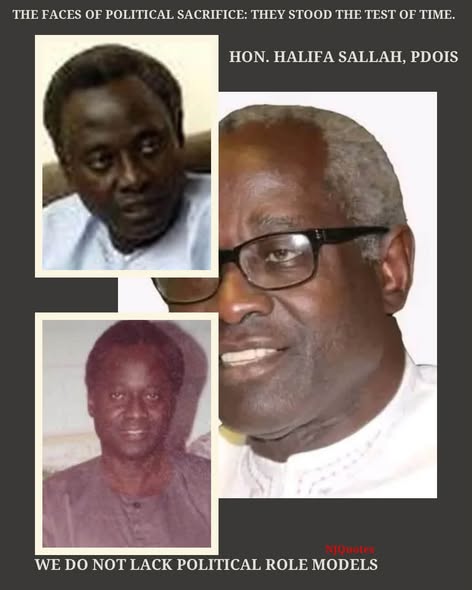
The People’s Democratic Organisation for Independence and Socialism has existed since 1986. For forty years, PDOIS has continued its political work through electoral losses, limited resources, repression and long periods outside government. Its leaders did not abandon their principles simply because electoral victory was difficult. They continued to educate citizens, publish, organise and argue for a sovereign people who understand and exercise their rights.
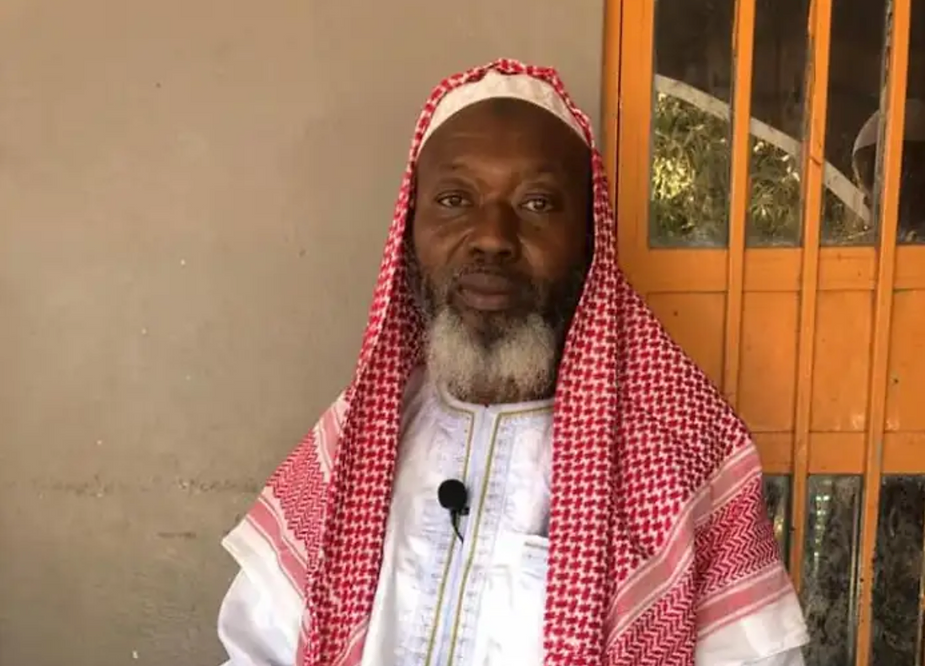
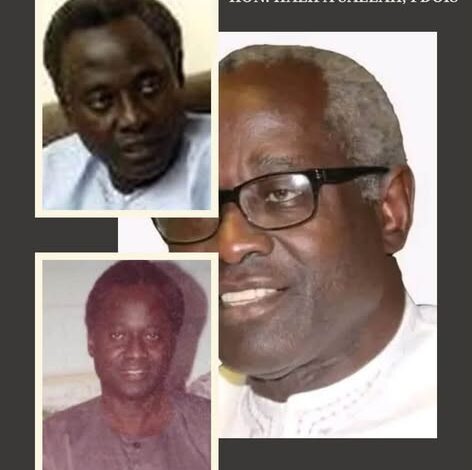
Honourable Halifa Sallah and Honourable Sidia Jatta have given decades of their lives to public education and national service. People may disagree with their ideology, strategy or political decisions. That is normal in a democracy. Yet disagreement should not prevent us from recognising consistency, discipline and sacrifice. Their record did not begin during an election season, and it was not built through access to state power.
The United Democratic Party has also stood the test of time. Founded in 1996, the UDP has now endured thirty years of political struggle. Under the Jammeh dictatorship, its members and supporters faced arrests, beatings, intimidation, loss of employment and other forms of persecution. Some paid the ultimate price. Ebrima Solo Sandeng died in state custody after demanding electoral reform. Ousainou Darboe and other UDP leaders were imprisoned after taking to the streets to demand the truth about what had happened to him.
His Excellency Ousainou Darboe could have chosen a quieter and safer life. Instead, he remained in opposition through repeated electoral defeats and personal hardship. Again, recognising that history does not mean that he or the UDP must be placed above criticism. It means acknowledging that political courage and endurance are part of the historical record.
3. Role models do not have to be perfect
Perhaps part of our problem is that we confuse a role model with a perfect person. No political leader is perfect. No party should receive blind loyalty. PDOIS and UDP must both be questioned about their policies, internal democracy, leadership renewal and vision for the future. Halifa Sallah, Sidia Jatta and Ousainou Darboe must be judged by the same democratic standards as everyone else.
But criticism is different from declaring that nobody can be trusted. That sweeping conclusion rewards political opportunism by placing those who have remained consistent in the same category as those who change direction whenever power or personal advantage becomes available.
If decades of sacrifice, repression and perseverance mean nothing, then what evidence of trustworthiness are we asking politicians to provide? If every leader is dismissed as the same, regardless of record, we teach future politicians that principles carry no value because citizens will not distinguish between consistency and convenience.
4. We must learn to judge political records
Gambians are right to be disappointed when leaders appear to abandon the change they promised. But we should not allow one political decision to convince us that integrity does not exist in our politics. Our history contains people and institutions that resisted dictatorship, survived persecution, accepted repeated losses and continued serving without the rewards of power.
We do not have to agree with them on everything. We do not have to follow them blindly. We should examine their present programmes, challenge their weaknesses and demand leadership renewal where it is needed. Yet fairness requires us to recognise those whose principles have been tested not for one campaign, but for decades.
We do not lack political role models. We do not lack a yardstick for measuring integrity, sacrifice and consistency. What we must not do is allow disappointment to divide or paralyse those who want change.
So when people ask, “Who can we trust?” my answer is that trust should never be handed to anyone permanently. It must be built, examined and renewed. The records of PDOIS and UDP, and the sacrifices of Halifa Sallah, Sidia Jatta, Ousainou Darboe and many unnamed members and supporters, remind us that consistency still matters. Our focus must now be on removing a government that has turned too much of our national politics into a politics of transactions, inducements and political survival. We must replace it through peaceful and democratic means with leadership grounded in accountability, constitutional reform and service to the people. The disappointment of today must not erase the courage of yesterday, and it must not distract us from the urgent political choice before us.