EX-MINISTER MAI FATTY SPEAKS ON ‘MYSTERIOUS’ US48M FORENSIC LAB PROJECT

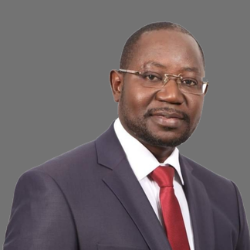
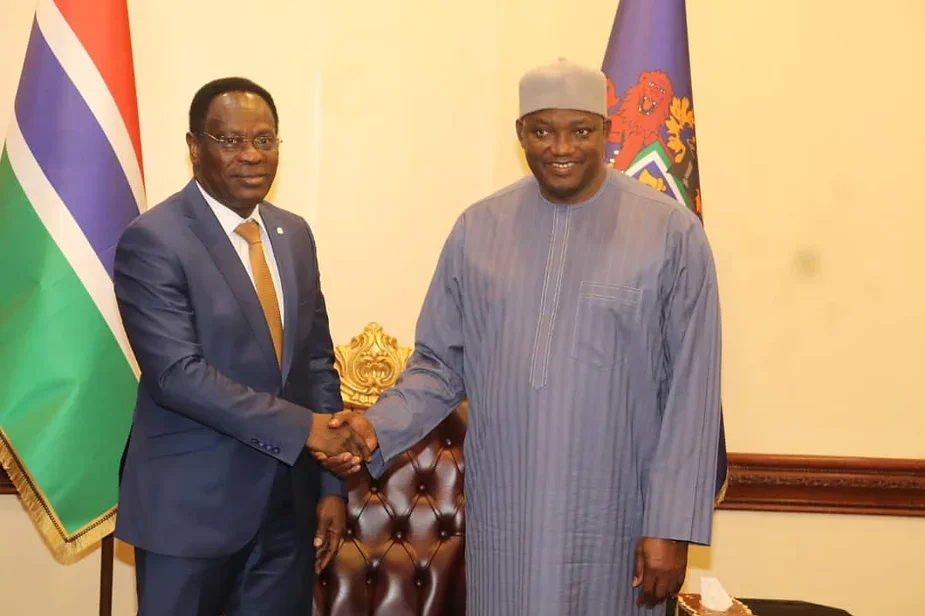
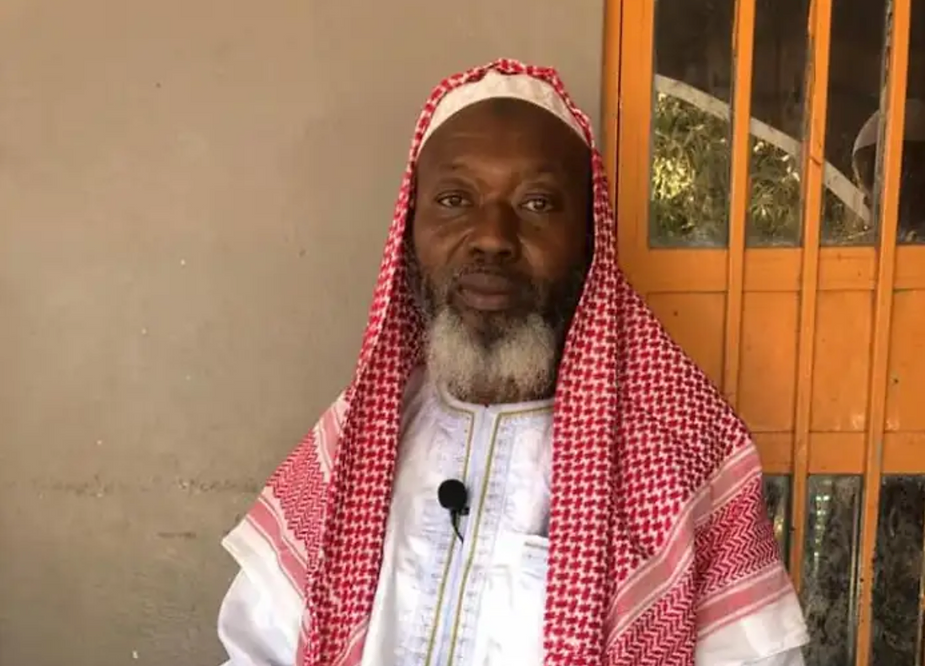
Former Interior Minister Mai Ahmad Fatty has shed light on his role in the mysterious US48M forensic DNA laboratory project he signed with Dr Cheikh Tidiane Sy Trading Centre for Diagnostics and Research in Molecular Medicine in 2017.
Since its reported signing, the project has been a subject of public discussion and the noise resurfaced recently in the National Assembly after Banjul North lawmaker Momodou Lamin Bah asked current Interior minister Abdoulie Sanyang about the current status of the contract, the services delivered under it, payments made if any and if terminated, what are the circumstances of its termination.
To everyone’s surprise, Minister Sanyang tensely replied that “there is no evidence that such a contract has been signed by the Ministry of Interior.”
The new minister said he and his team did “a very extensive search from the closed files but could not find any documentation regarding this particular project.”
The Standard contacted former minister Mai Fatty for clarifications on the matter.
He explained that even though the contract was signed, it never advanced beyond the signing stage before his departure from the Ministry.
”The project did not commence but its failure too did not cause any loss to the public purse, because there was no public purse engaged. It simply did not progress beyond where I left it after my departure from the Ministry. Whether or not records of the Agreement remain on file at the Ministry, I am confident that I left them there in proper order. I say no more on that point except that the absence of institutional memory, if true, is a matter of administrative concern that others must address,” Fatty said.
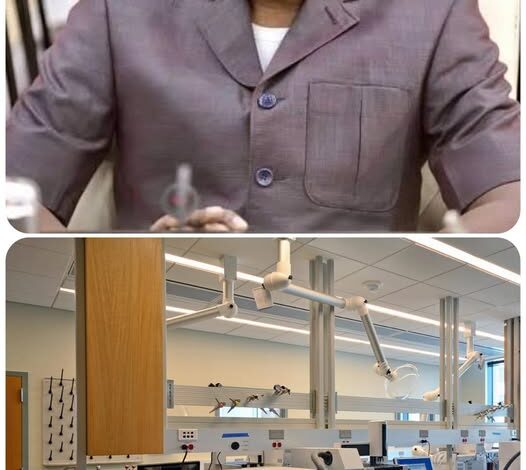
Asked to explain the background of the project, Fatty who is also the leader of the Gambia Moral Congress explained that the project was necessary because one of the complex challenges that confronted the government when it assumed office in January 2017 was the identification of the remains of Gambians and other nationals who were assassinated by the Jammeh regime. “Some of the remains had been discovered in old wells, in bushes, and in unmarked graves scattered across different parts of this country,” Fatty said. “This was not an abstract policy challenge, but a deeply human tragedy demanding a scientific and dignified response. At that time, The Gambia had no forensic DNA capability whatsoever. We were compelled to rely on the laboratory of Dr Cheikh Tidiane Sy in Dakar, a facility certified by the FBI to carry out forensic identification work on the remains of our own dead. That process was slow. It was expensive, and it was, frankly, an indignity to a sovereign nation. It was against that backdrop, and with the broader vision of making The Gambia the foremost centre for crime forensics on the African continent, that the initiative was conceived with Dr Cheikh Tidiane Sy Trading as the Centre for Diagnostics and Research in Molecular Medicine,” Mr Faty said.
He added that the vision was audacious but entirely sound; a project that would serve domestic security needs such as DNA identification, ballistics, cyber investigation, biological analysis, rape case evidence processing, etc while positioning The Gambia as a regional and continental leader in crime forensic science.
“The State did not lose or pay one single aalasi. There was no financial disbursement of any kind, in any direction, at any point. The figure of $48 million represented the projected value of the development, being the aspiration committed to paper, and not money that existed in any government account or that was placed at the disposal of any party,” Mr Fatty explained.
He further revealed that government’s contemplated contribution to the project was the provision of land and the leveraging of the principal partner’s existing global network but “no land was ever delivered and no funds were ever made available,” adding that the agreement was a framework in principle, the first stage of what was designed to be a multi-agency, multi-ministry process involving the PPP Division of the Ministry of Finance, the Gambia Police Force, the National Security Council, the Ministry of Justice, and the Judiciary.
Mr Fatty pointed out that his achievements while serving as Minister of Interior speaks for itself saying he and his team “worked tirelessly to stabilise the security environment, professionalise the Interior Ministry services, and to ensure President Barrow was able to consolidate his administration and deliver on the promise of democratic governance.”
He said should the National Assembly invite him to appear to shed light on this matter he will consider it a “great honour” to appear “willingly, promptly, and without the need for any compulsion, and at the full glare” of the media.
”I am prepared to appear before any public institution, any regulatory authority, any civil society body, or any responsible media organisation that wishes to examine my tenure at the Ministry of Interior. I have nothing to conceal. I have no record to be ashamed of. I have no fear of scrutiny, because everything I did, I did in the open, in the name of the Gambian people, and in their service.”
Source: The Standard