Contaminated fuel allegations rock Gambia’s main depot as OMCs return tankers

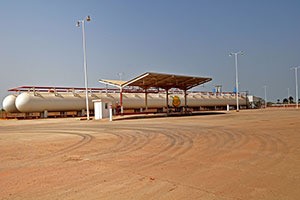
At least three Oil Marketing Companies (OMCs) have confirmed returning tankers of contaminated fuel to the Mandinari Fuel Depot, sparking growing concern within The Gambia’s petroleum industry.
According to sources, petroleum products distributed from the depot were flagged during routine quality checks, which reportedly detected irregularities in a recent batch of fuel. The discovery has triggered unease among industry players, with several OMCs confirming they returned consignments due to product quality concerns.
While the precise nature of the contamination remains unclear, insiders suggest possible water infiltration or compromised storage conditions, both of which can severely affect engine performance and pose risks to consumers.
Pa Ousman Touray, Operations Manager at the Mandinari Fuel Depot, has denied allegations that contaminated fuel was supplied. However, sources within the Gambia Revenue Authority (GRA) and the depot itself confirmed that some affected tankers were returned and accepted.
Insiders further revealed that the depot is currently at “zero PMS”. One source explained: “People have positive quantities there that could be pumped out, but they are not able to because it has been discovered that the fuel is contaminated. It has been segregated. PURA should have investigated and issued a public statement, but they have failed to act.”
The Managing Director of Gam Petroleum did not respond to calls, though depot insiders alleged water was added to the fuel. Affected OMCs, however, disputed this, insisting the contaminant was oil-based.
One source familiar with the matter said: “That is exactly why we returned the affected tankers. They are trying to cover up. Petrol is naturally dry and does not leave stains when exposed to air. But the returned product left oil stains. If it were water, it would have settled at the bottom.”
According to OMCs, drivers have long complained about contaminated petrol. “We have now confirmed the fault lies with the depot. Instead of recycling contaminated fuel, they distribute it to OMCs, creating widespread problems,” one operator alleged.
A senior source warned: “Fuel quality is directly linked to public safety and economic stability. Any lapse can have serious consequences.”
The Mandinari Fuel Depot, a vital hub in The Gambia’s petroleum distribution network, supplies multiple OMCs nationwide. Engineer Modou Ceesay explained that confirmed contamination could have ripple effects, ranging from mechanical damage to vehicles and generators to financial losses for businesses and households.
When contacted, Minister of Energy Nani Juwara said he had confirmed with the depot’s operations manager that reports of contamination were false.
Meanwhile, some OMCs have criticised the Public Utilities Regulatory Authority (PURA) for failing to take decisive action. The absence of a trusted national testing reference point has further weakened the regulator’s credibility, leaving operators unable to counter claims with authoritative domestic data.
Attempts to reach Gam Petroleum Manager Yerro Jallow and PURA Director General Njogu Bah were unsuccessful.
Source: The Point