Barrow vows zero tolerance on corruption, as Gambia charts path to prosperity

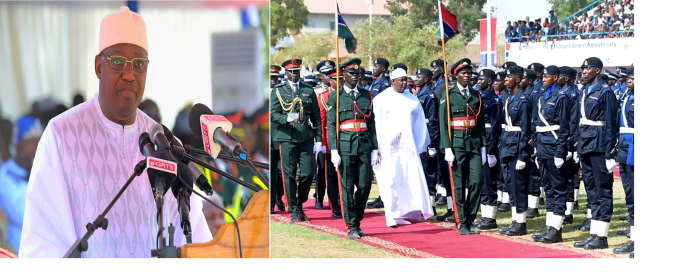
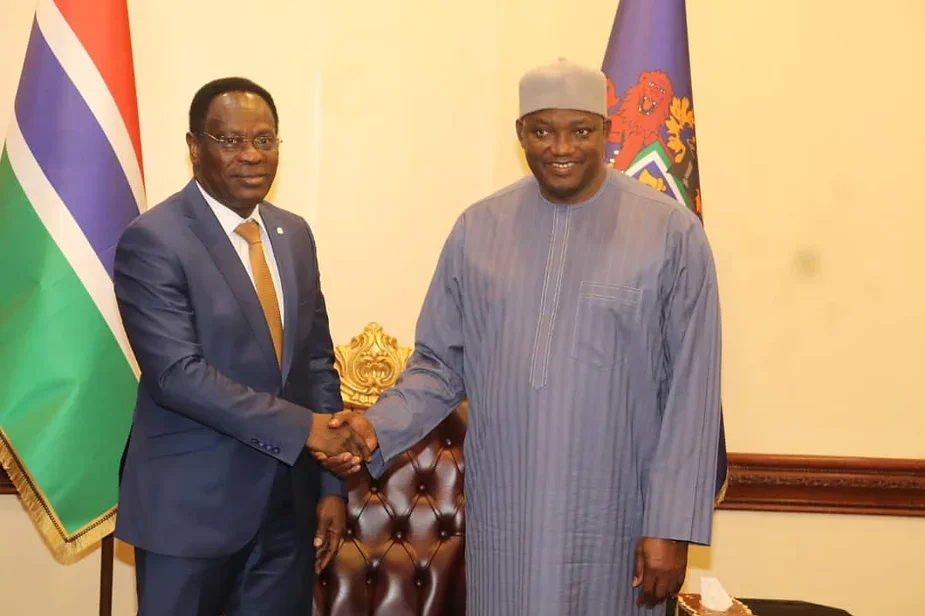
At the MacCarthy Square in Banjul, President Adama Barrow marked The Gambia’s 61st Independence Anniversary with a speech that went beyond commemoration. He urged Gambians to see independence not as a historical milestone but as a “living responsibility” requiring vision, discipline, and collective effort.
“Independence is hollow if it does not deliver results,” Barrow declared, stressing that sovereignty must be measured in tangible improvements to health, education, energy, and governance.
“To our civil servants, I reaffirm my government’s zero tolerance for corruption, inefficiency, and complacency,” he said. “Independence requires integrity in public service, efficiency in delivery, and accountability at all levels.”
This year’s theme, “Harnessing the Gambia’s Human and Infrastructural Resources for an Inclusive Leap to Prosperity,” was at the heart of President Barrow’s message. He emphasised that independence is not merely a historical achievement but a living responsibility, demanding vision, discipline, and collective effort.
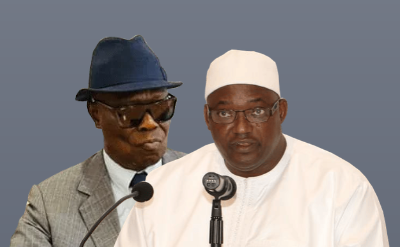
The event drew a cross-section of Gambian society, including former Vice Presidents, cabinet ministers, security chiefs, members of the diplomatic and consular corps, and representatives from communities across the country. Schoolchildren and civic groups also joined the festivities, adding vibrancy and youthful energy to the occasion.
The celebrations featured a spectacular march past by security personnel, led by Lt. Col. Dacoasta of the Gambia Armed Forces as parade commander. His brilliant display of drills captivated dignitaries and guests, setting the tone for a day of national pride.
YIRIWA: A Gambian-Owned Blueprint
The President placed the National Development Plan, YIRIWA—meaning “development”—at the centre of his message. He described it as a modern expression of the struggle for independence, translating political freedom into economic transformation and social inclusion.
Through YIRIWA, Barrow highlighted achievements in healthcare expansion, renewable energy projects, and infrastructure development. Roads, he said, are “not merely infrastructure; they are arteries of inclusion and national integration.”
Food security and rural transformation
Agriculture, Barrow emphasised, remains central to employment creation and poverty reduction. By supporting farmers with inputs, equipment, and market access, his government aims to reclaim control over food systems and ensure food self-sufficiency.
“A sovereign nation must be able to feed itself,” he noted, linking agricultural modernisation to national stability.
Education and Youth Empowerment
Education reforms, including the rollout of a Competency-Based Curriculum and the transformation of key institutions into universities, were presented as pillars of national development. Barrow described Gambian youth as “a resource to be unleashed” through skills development, entrepreneurship, and digital innovation.
Democracy and Accountability
Barrow reaffirmed his government’s commitment to democratic governance, citing the establishment of the National Human Rights Commission and expanded civic space. But his sharpest words were reserved for corruption and inefficiency in public service.
A Call for Unity and Shared Sacrifice
Acknowledging persistent challenges, Barrow urged Gambians to embrace resilience through planning, unity, and discipline. He called for national cohesion above politics, ethnicity, or region, insisting that independence must be sustained by solidarity and shared sacrifice.
The President concluded by thanking parents, teachers, youth, and security services for their role in the celebrations and in safeguarding sovereignty. He also extended appreciation to development partners for supporting Gambia’s national vision while respecting its ownership.
“The story of The Gambia at sixty-one is one of renewed confidence and purposeful direction,” Barrow said. “Together, let us continue building a peaceful, prosperous, and resilient Gambia for present and future generations.”
Source: The Point