Nigeria: Tinubu signs Electoral Act 2026

By Zuleihat Owuiye, Mamos Nigeria
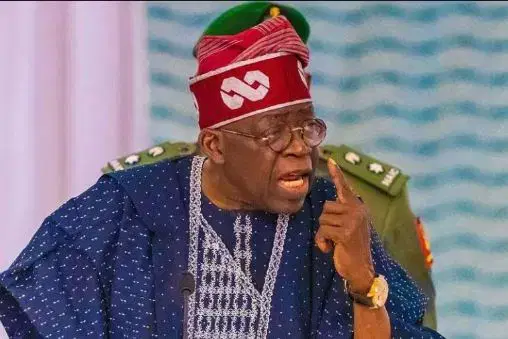
ABUJA, Feb 19, 2026 — President Bola Tinubu has signed the Electoral Act Amendment 2026 into law, clarifying that electronic transmission of election results will serve as a supportive tool rather than a substitute for manual collation in Nigeria’s electoral system.
The signing ceremony, held at the Presidential Villa around 5:00 p.m., was attended by principal officers of the National Assembly. The amendment comes just days after the Independent National Electoral Commission (INEC) released the timetable for the 2027 general elections, which are slated for February 20 (presidential and National Assembly) and March 6 (governorship and state assemblies).
Tinubu said the reforms aim to safeguard democratic stability and prevent voter disenfranchisement. “The essence of democracy is to have solid, brainstormed discussions committed to national development and nation‑building,” he said, adding that while technology is important, elections ultimately rely on human management and public trust.
“Electronic transmission is a support mechanism, not a replacement for manual voting and counting,” Tinubu explained. “No matter how good a system is, it is managed by people, and results are announced by human beings. We must avoid glitches and ensure no confusion or disenfranchisement occurs.”
Senate President Godswill Akpabio, speaking after the ceremony, said the amended Act will ensure every Nigerian vote counts and eliminate result manipulation between polling units and collation centres. He noted that for the first time since independence, the law recognises electronic transmission of results to INEC’s Result Viewing Portal (IReV), while still allowing manual collation using EC8A forms in areas with poor network coverage.
“The primary source of results remains the EC8A forms signed by presiding officers, party agents, and security personnel at polling units,” Akpabio said. “Even if there is no network at the time, results can be transmitted later, and Nigerians can compare uploaded results with collated figures to detect tampering.”
He added that the amendment also addresses situations where election winners are disqualified by courts, mandating fresh elections instead of automatically declaring runners‑up as winners.
Speaker of the House of Representatives Abbas Tajudeen highlighted that the election notice period has been reduced from 360 to 300 days, effectively moving the 2027 elections to January, avoiding Ramadan and potentially reducing voter apathy.
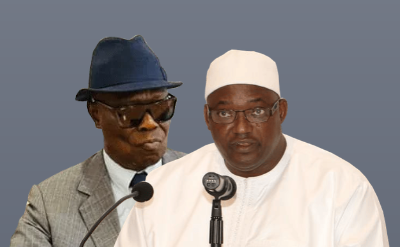
Former Cross River State Resident Electoral Commissioner (REC) Mike Igini, however, criticised the retention of manual collation as a backup, warning it could reintroduce opportunities for result manipulation and endanger presiding officers. Speaking on Arise Television, Igini urged President Tinubu not to sign the bill, calling it a “recipe for chaos” and appealing for a stronger electronic transmission framework to protect electoral integrity.
Igini also faulted the judiciary for weakening electoral reforms through past rulings and called for swift adjudication of election disputes and the establishment of Electoral Offences Tribunals.
The Electoral Act 2026 now sets the legal framework for Nigeria’s upcoming elections, with stakeholders divided on whether the balance between electronic and manual processes will enhance or undermine credibility.