Nigeria: Northern leaders, lawyers reject amnesty for terrorists amidst rising insecurity

By Zuleihat Owuiye, Mamos Nigeria
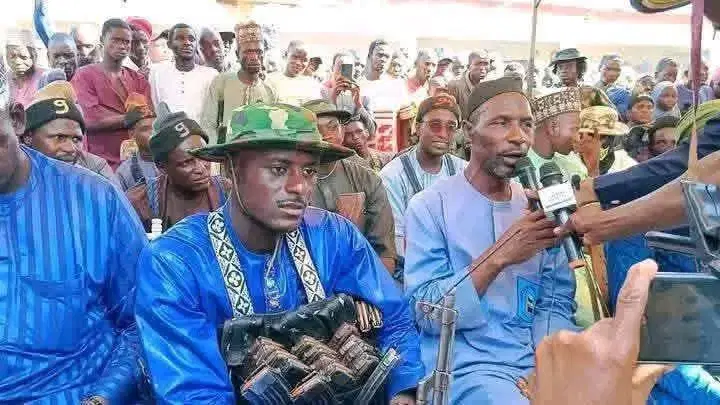
Northern leaders and lawyers are at odds with the federal and state governments over plans to grant amnesty to terrorists who have waged havoc in the region. The controversy began when Katsina State governor, Dikko Radda, announced plans to pardon 70 terrorists as part of an agreement with the state government.
The Office of the Attorney-General of the Federation (AGF) has backed the governor’s move, citing constitutional powers that allow governors to grant pardons if terrorists were prosecuted by their states. However, senior lawyers and northern leaders argue that terrorism is a federal offence, and state governors have no authority to grant amnesty.
“Terrorism is a federal crime under the Terrorism (Prevention & Prohibition) Act, 2022, which is a federal legislation passed by the National Assembly,” said Senior Advocate of Nigeria, Kunle Edun. “State governments lack the power to grant amnesty, pardon or any form of reprieve to any person arrested, charged, prosecuted or convicted for any offence relating to terrorism.”
The Arewa Consultative Forum (ACF) has described the amnesty plan as “ill-defined” and “premature”, saying it would be ineffective in addressing the security situation in the region. The Middle Belt Forum (MBF) has also rejected the proposal, calling it a recipe for disaster.
Islamic scholars and leaders have weighed in on the issue, with some calling for terrorists to face the full weight of the law. “Whoever is advocating amnesty for bandits is an enemy of this country,” said Sheik Isah Alarama, Special Adviser to Adamawa Muslim Council on Internal and External Issues.
Others, like Professor Labdo, have suggested listening to the grievances of terrorists before considering amnesty. “These people are not understood,” he said. “We need to engage them to understand why they took up arms against their own people and state.”
The debate highlights the complexities of addressing insecurity in Nigeria, with some arguing that amnesty could encourage more violence, while others see it as a necessary step towards peace. As the controversy rages on, one thing is clear: the fate of the region hangs in the balance.